not all that glitters …

using a ‘gold’ coating to sell

Toronto. .. is gold. Some camera makers did use a gold coating occasionally to sell a particular model to those with expensive tastes. For example, Leitz sold a Leica model it called a ‘Lexus”. It was made with typical Leica quality and has a special coating – gold on the metal; a rare material for the traditional gutta percha.

Others implied a camera had gold trim or was made of gold. In that case, a word resembling gold was used  in their advertising to sell less expensive, more pedestrian cameras. My friend George Dunbar in his search for photographic history amongst old ads and articles, found this rather small ad by Bass Camera from the mid-west in the first issue of LIFE magazine. Here they call a small half frame (half vest pocket)  ‘folder’ a GOLDI.

The camera may have been made expressly for Bass by a small German factory. The Goldi comes with a variety of lenses and leaf shutters. The version promoted by Bass in this ad is at the less expensive end of the range offered by the maker, Zeh.


Posted in history | Tagged , , , | Comments Off on not all that glitters …

après la pluie

after the rain – a rainbow to enhance the landscape photo

Toronto. Landscape photos seem better when we add in some bad weather effects. This example shows not rain, but the effect of rain when it ends.

Rainbows have traditionally meant that better times were ahead. For a photographer, a rainbow can be incorporated in a landscape shot to enhance the impact of the shot on the viewer.

The rain soaked landscape seems to have saturated colours. Puddles or runoff can often be worked into the image to create drama. Both B&W film, colour film and digital cameras can use rainbows (and rain) effectively.

Rainbows remind me of Kermit the Frog on Sesame street and his soulful little song,”Rainbow Connection“. Here the song is sung as a duet by Kermit and Barbra Streisand.

Posted in history | Tagged , , , , | Comments Off on après la pluie

a real brick …

January 1957 ad in LIFE magazine for the Argus C-3

Toronto. We have commented on the famous Argus C-3 camera many times, but this beautiful ad was just too hard to pass up.

Fondly known as the ‘brick’, the C-3 (C3) was by far the best selling camera of the entire Argus line. The camera was even shown in ‘action’ in some Hollywood movies in implausible jobs or by actors who could easily afford far better quality cameras.

Please excuse the images here. While Photo AI, Affinity Photo, and Focus Magic improve the image and larger text, Photo AI does a number on the small print at this stage in its life.

Thanks to my good friend, George Dunbar, for sharing this wonderful colour advertisement by Argus in the January 28, 1957 issue of LIFE magazine. Film, Argus, LIFE, and the C-3 are but memories to those old enough to have read, saw, or used and relied on such antiquities.

Posted in history | Tagged , , , , , | Comments Off on a real brick …

Landfall

the PhotoEd LAND issue is now published

Toronto. Back in September we did post on the PhotoEd request for articles on LAND.

Our friend and favourite editor, Rita Godlevskis just announced the latest print issue of PhotoEd is now available. The issue shows the photos and articles selected from her request for submissions a few months back.

Pick up a subscription today – or visit a newsstand to see the wonderful content. Especially great for those new to the industry and ready to learn from photographs by others.

Rita also asked for two submissions: First for the Aids Committee of Toronto (ACT) and “Snap for Action” photos for their photo contest; and second, submission for the LIGHT issue of PhotoEd this spring.


Posted in activities-other | Tagged , | Comments Off on Landfall

Exposing Photography: Anything But A Small Business

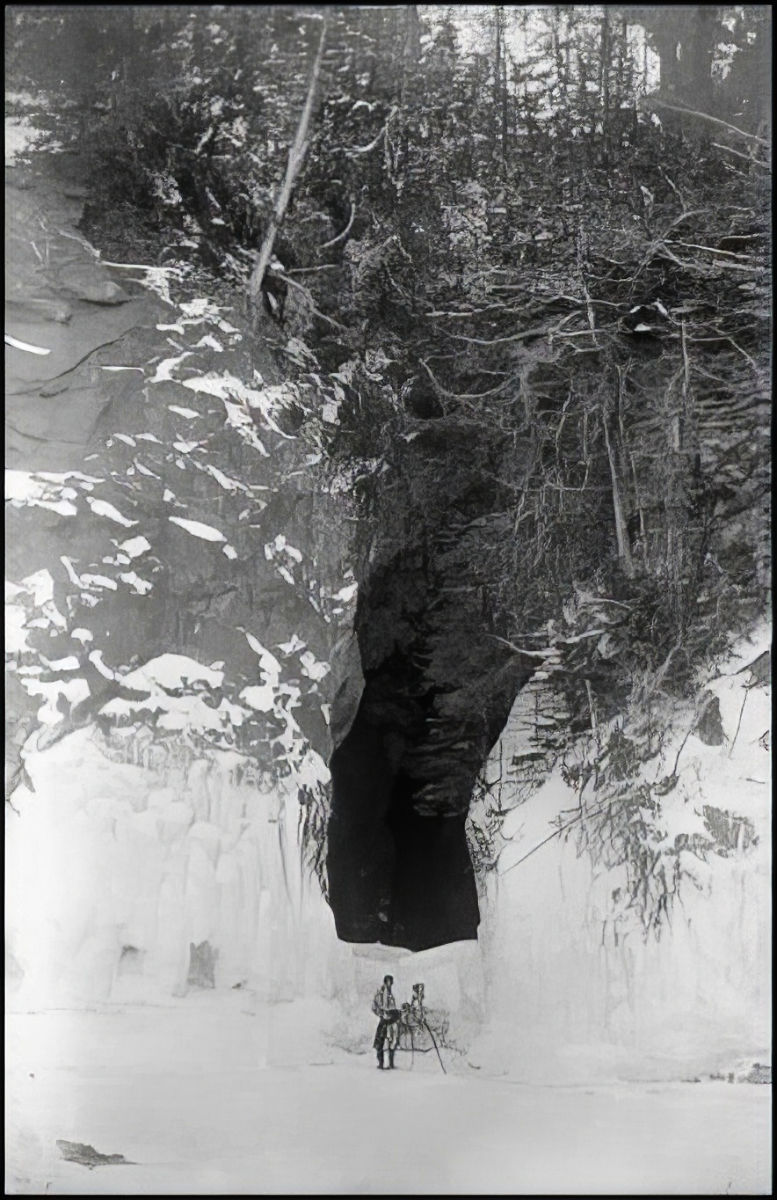
Print from a glass plate negative in the
B F Childs Photographic Gallery collection

Toronto. My friend Cindy Motzenbecker sent me an email about an upcoming event coinciding with a current exhibit by the Marquette Regional History Center (MRHC). As this will be a ZOOM event, you will need the meeting link. Email me at info@phsc.ca  for the link.

Cindy writes, “MiPHS/Cindy Motzenbecker is inviting you to a scheduled ZOOM meeting:

“Exposing Photography: Anything But A Small Business/Marquette Regional History Center

Tuesday, Dec 12, 2023 02:00 PM EST

“This presentation is free.  The actual presentation will start at 2:30. (The extra time is for potential “technology issues”.)  Jack Deo helped a lot with this exhibit, and is a long time Michigan Photographic Historical Society (MiPHS) member.  (MiPHS.org)   Jack was lucky enough to purchase the B.F. Child’s photographic Gallery including THOUSANDS of glass negatives of the area around Marquette and Lake Superior.  He and Don Balmer are the UP representatives of MiPHS.  (“UP” is for “upper peninsula” for the non-Michiganders.) ”

As Cindy mentioned, the images are from around Marquette in Michigan and the surrounding Lake Superior area. The images will interest many image collectors. Please join Cindy and our sister society MiPHS this coming Tuesday the 12th via ZOOM.

Continue reading

Posted in activities-other | Tagged , | Comments Off on Exposing Photography: Anything But A Small Business

measuring sub-second time etc.

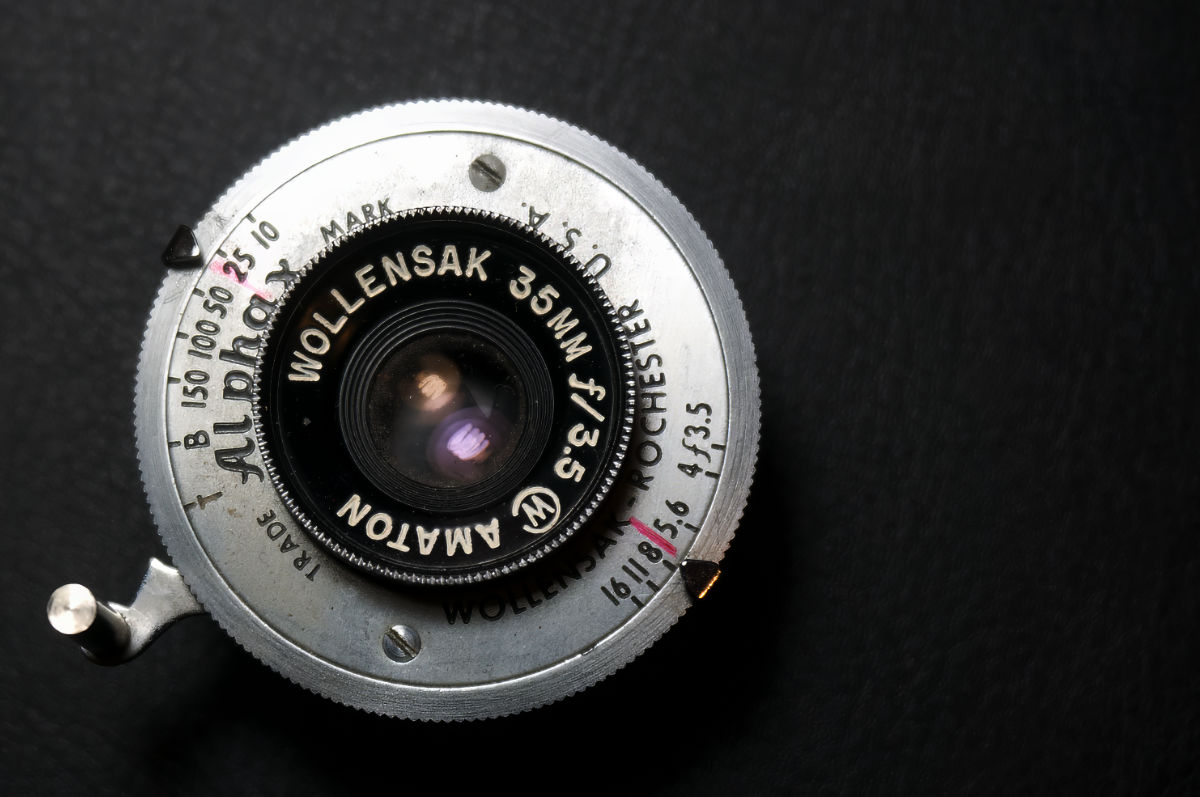
lens/shutter from a telephone traffic camera once used to record trunk registers

Toronto. Those of us who once prided ourselves for shooting that special film moment know all about sub-second time; time measured by a shutter that allows light from the subject to reach the film for the prescribed fraction of a second.

Today, with cameras that literally do auto-everything, most would be photographers are not aware of shutter speed, or even care as long as the image of the scene ‘looks’ okay.  But what if the scene doesn’t ‘look’ okay?

The more sophisticated (or deeper pocketed) of us use a standalone camera with a setting for shutter priority and a means to set the shutter speed. Oh yes, and the knowledge of how to use the setting.

For everyone else, photographer Brian Matiash of Florida has a great explanation in his third ‘Lightroom Everywhere Newsletter‘ issue under the title of, “Important Shutter Speeds for Photographers“.

Have a read and learn about this feature of photo control. Brian’s words can both instruct and refresh. Looking at his photos may help you get a better shot, more in keeping with how you pictured the result would be.

Posted in activities-other | Tagged , , , | Comments Off on measuring sub-second time etc.

a cold winter’s night

taken nearly a decade ago in late February, 2013 in Toronto

Toronto. Nasty weather is the bane of a human’s existence – unless he is a photographer. For a photo, inclement weather can create a memorable exposure – witness Henri Cartier-Bresson’s “decisive moment” when a French commuter jumps a puddle and all elements in the image’s frame come together.

The landscape photographer can frame an arresting scene and record it for history, but adding a weather element can create a far more interesting result. Since the birth of photography, photographers have captured the environment, sometimes to record a famous locale, and other times to capture both a locale and the effect of nasty weather be it rain, snow or fog (even fog in Labrador). Looking back, photographs can portray a person, a place, tools, war, weather all to the aid of our understanding of history.

In this particular post, we remember the legion of landscape photographers who have captured the world as it once was – including mother nature’s weather in both its charm and vengeance.

This post bring’s to mind a 1944 song, “baby its cold outside” sung here as a duet by Michael Bublé and Idina Menzel.

Posted in history | Tagged , , , | Comments Off on a cold winter’s night

zoned out

turrets, turrets, everywhere and no place to go …

Toronto. Post WW2, a decision was made to divide Germany into four zones – American,  British, French, and Russian. To politicians, this was a marvellous way to solve occupation of the defeated country by many forces. But to some camera makers, the zones were not always practical.

In a February, 1947 issue of LIFE, a photograph shows the dilemma of one German maker of movie cameras.

The cut-line under the photo in LIFE states, “STYMIED MANUFACTURER of an advanced type of camera is a victim of the zone system.

“August Arnold [photo above left] has adapted the reflex principle to taking movies, only to find he cannot get lenses from the Zeiss factory in the Russian zone or the Schneider plant in the French zone. Meanwhile he examines turrets which are piling up.”

This photo is most likely related to the famous Arriflex cameras later imported to America and widely used in the movie industry. It serves as another  example of  photography aiding history – and the unintended effects of war.

Thanks goes to our good friend, George Dunbar, for sharing this discovery of a photograph in LIFE showing that at least one camera maker was ‘zoned out’ for a time after WW2.

Posted in history | Tagged , , , , , , | Comments Off on zoned out

showboating

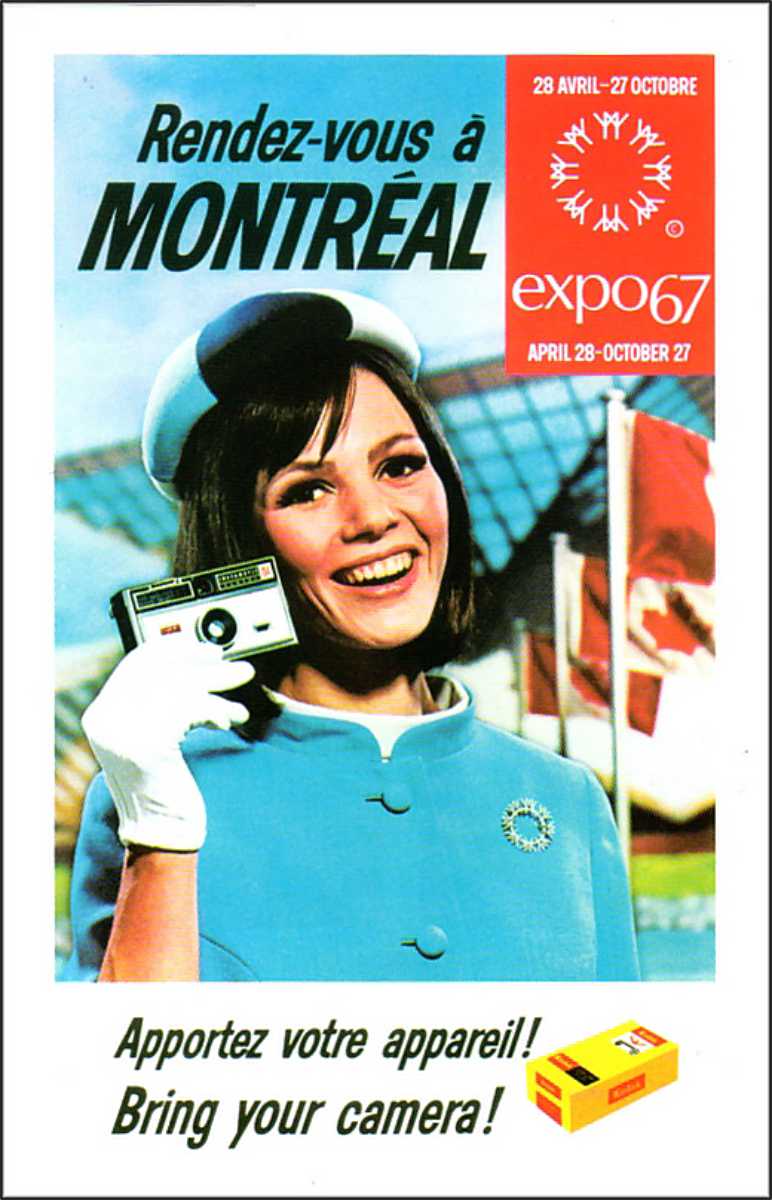
a bilingual Kodak ad at Expo67

Toronto. Do you remember Expo67,  a World’s Fair held in Montreal? It was a remarkable show in spite of the inevitable strikes. My wife and I enjoyed Expo and courtesy of a bus strike we were able to see so many more pavilions.

Kodak advertised their cameras (and indirectly their films) with tasteful ads such as the bilingual one shown here.

Expo67 was a wonderful opportunity for all photographers to show off their abilities. The Ontario pavilion had a multi-image slide show of provincial photos and videos – plus a now famous song. The show and song were eventually released as a film shown here.

The bilingual  theme song for Canada and the fair was written by Bobbie Gimby. We owe a thank you to our diligent photo-historian, George Dunbar, for sharing this piece of Canadian photographic history with us.

NB. The movie linked here is one our Toronto presentation showed some years ago in September, 1988 (Photographic Canadiana 14-4, page 12).

Posted in history | Tagged , , , , | Comments Off on showboating

not a good image …

not a good way to promote the camera product line

Toronto. Kodak did show up in the last issue of Life (December 1972), but not in their own ad. Instead, a Kodak camera was featured in a colourful Raleigh cigarette ad as one of many ‘free’ items available with B&W (Brown and Williamson) coupons attached to each cigarette package. I wonder if the ad creator meant ‘three’ coupons, not ‘free’?

At the time, there was a huge issue over whether cigarettes caused terminal illnesses as stated much earlier in the medical press. Ultimately the case was settled with disastrous effects on the (American) tobacco industry.

At the time, I worked in Montreal for a company that like all companies at the time, permitted smoking in the work place as it had for many years previously and for some years later.

A thanks goes to our in house photo-historian, George Dunbar, for finding this example of the American tobacco industry trying to sway public opinion with ‘free’ goods (including photographic) while they tried to down play medical issues.

Posted in history | Tagged , , , | Comments Off on not a good image …