a true artist

Victor Hugo by Etienne Carjet c1876 about a century and a half ago

Toronto. Before photography, artists used pencil, charcoal, brush, and paint to create a ‘likeness’ of a well to do person. The wealthier and more famous the person, the better he/she could afford a well known painter – a true artist.

When photography was first announced, it was intended to make reproduction in printed matter simpler, or to record scenes in a more lifelike fashion. Very quickly its was realized that it afforded more modest folk to pay for a ‘likeness’.

Shown at left is the French author Victor Hugo whose likeness and spirit were captured by another famous Frenchman, Etienne Carjet.

Since its inception, the art of photography has progressed – more sensitive media; advances in resolution; faithful reproduction of natural colour; movies, three dimensions; Off the shelf equipment and media; processing by third parties; etcetera. As the technical demands were reduced, more and more people embraced the art for various intentions.

Today with digital technology, the technical aspect of photography has become so complete that nearly every one is a ‘photographer’. One thing is missing. A true artist can bring forth the key feeling of a person or scene. A true artist knows how to make an arresting, appealing image of a person or scene. Today millions are photographers; a handful are true artists.
Posted in history | Tagged , , , | Comments Off on a true artist

frozen in time

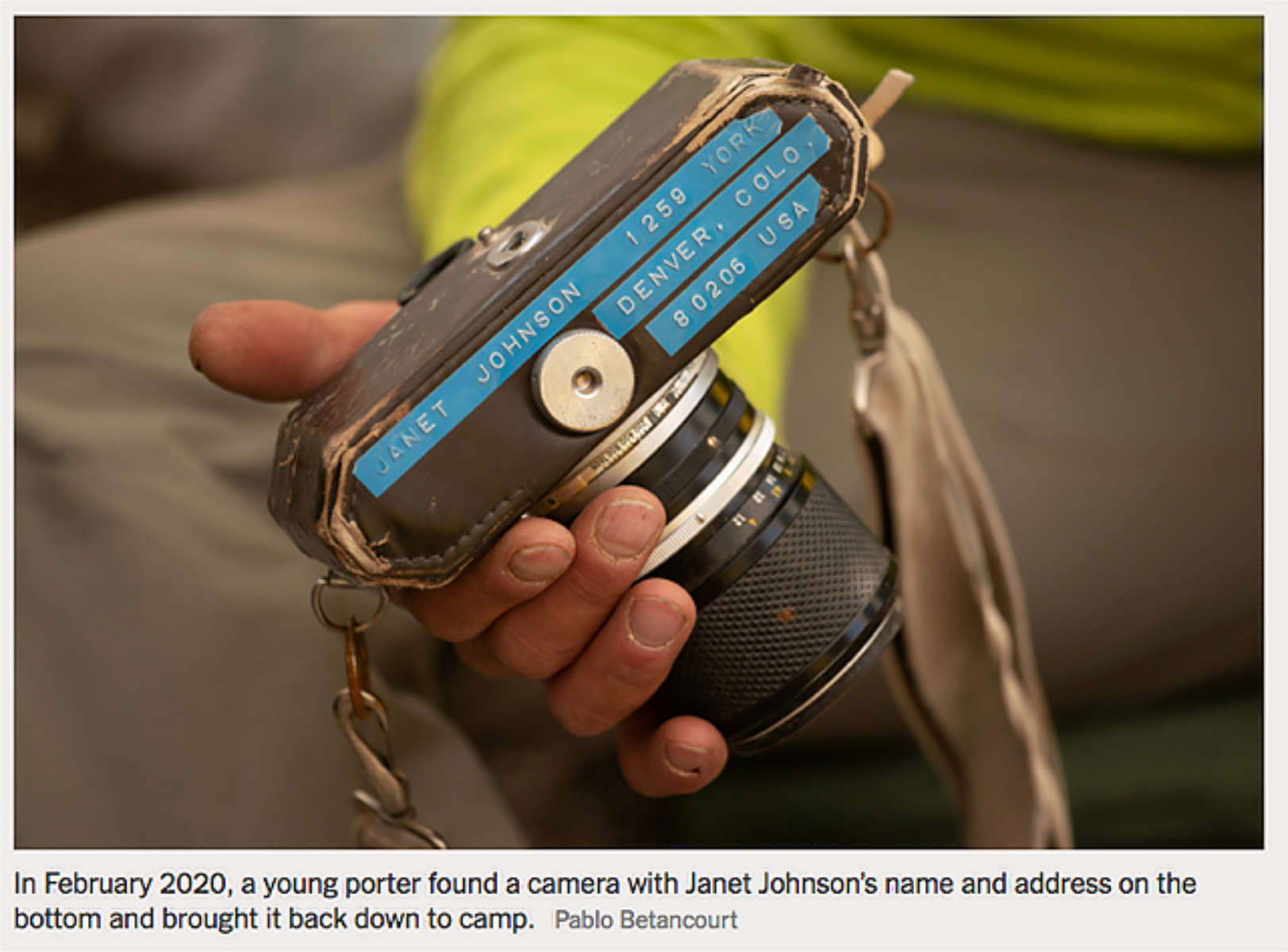
a Nikon frozen in time courtesy Pablo Betancourt

Toronto. Sometimes climate change uncovers a disaster from years past. In this case an event nearly 50 years old. George Dunbar came across this NY Times article (you need an account to read the original article as NYT has a pay wall these days). If you don’t have a subscription, you can read the article here or on the FRI site linked below.

George  writes, “High on Aconcagua, the Western Hemisphere’s highest mountain, the shrinking Polish Glacier spits out what it once devoured.

“That is how Janet Johnson and John Cooper became part of the folklore of Aconcagua. They climbed along with others in 1973. Johnson’s body was found in 1975. Nearly five decades later, an old Nikon camera had emerged from the receding glacier. It was wound, prepared to take the next picture.”

George then notes the Canadian connection to this article, “INDIAN HEAD, SASKATCHEWAN, is about an hour east of Regina. Its tallest structure is a grain elevator. There is not a mountain in sight. On a downtown corner is a former bank, a two-story brick structure from the 1800s. Today it is home to Film Rescue International [FRI], run by a man named Greg Miller.”

And FRI processed the film taken 50 years ago by the Nikon before disaster  hit. You can also read the article here complete with photos and video saved by FRI.

Posted in history | Tagged , , , , | Comments Off on frozen in time

for meter collectors

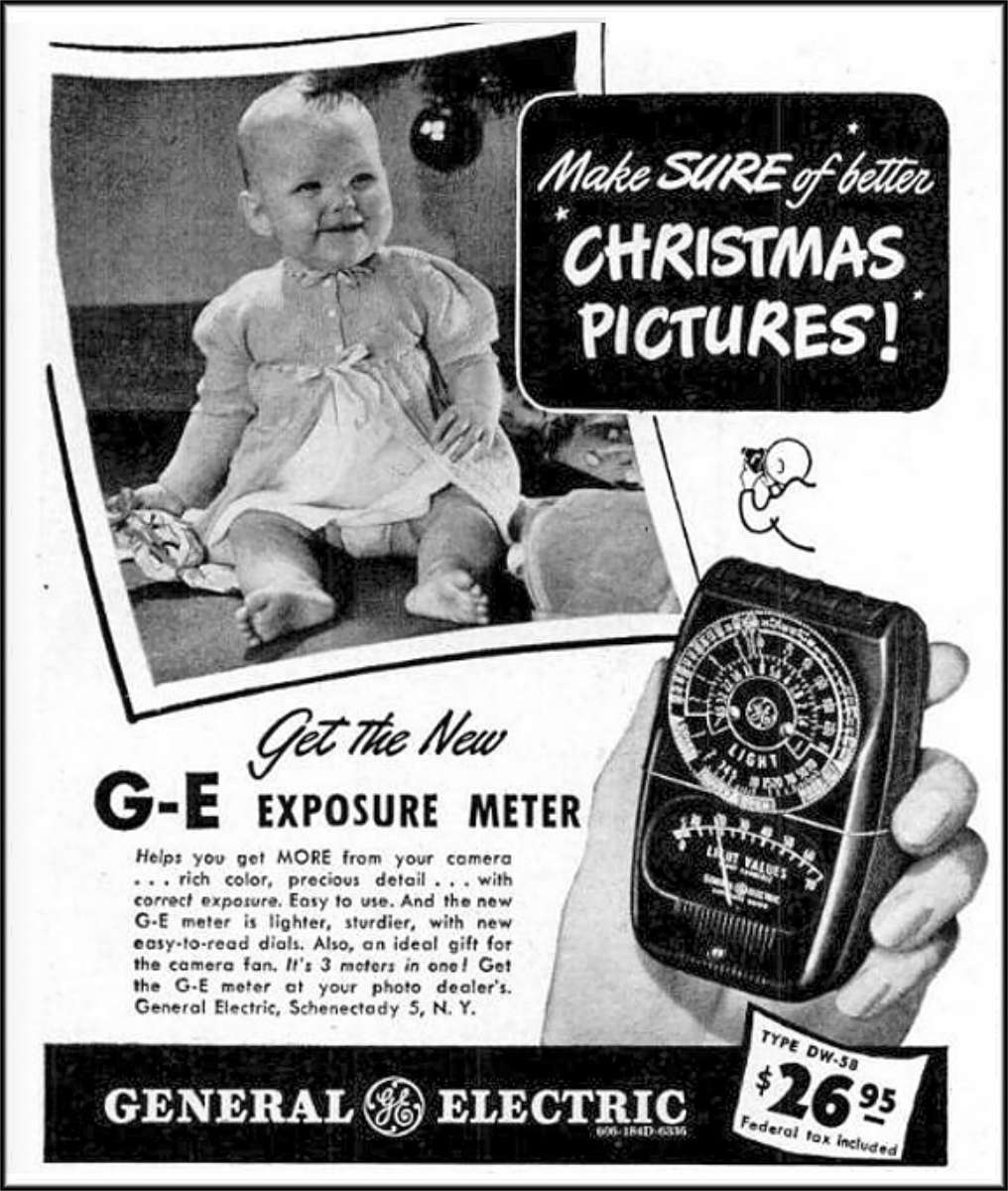
1946 ad for a GE exposure meter

Toronto.  Many camera collectors also collect exposure meters and calculators. My own collection includes a handful of both. The ad shown here is from the December, 1946 LIFE magazine. George Dunbar, who generously shared it with us, found it while searching the magazines for all ads relevant to photography.

In the late 1950s I bought my first light meter. Before that I resorted to the sheets Kodak inserted in each box of film to help me choose the camera settings based on the light. It was a toss up between GE and Weston for a meter. I ended up buying the Weston Master III. This was rather early in the days of handheld meters and all were based on selenium cells which created a voltage under exposure to light.

Sadly just when you needed the reading (dim outdoor sunlight, indoor lights) selenium meters created almost no voltage. Years later meters based on the far more sensitive cadmium sulfide (CdS) cells appeared on the market. CdS resistance varied with light exposure and required a battery to reflect values on a meter. Under steady light, the resistance varied so the CdS cell was blocked from the light or any voltage until a reading was needed.

Many makers took advantage of a characteristic of mercury cells – constant voltage until end of life. This meant a simple series circuit worked (meter, battery/cell, and CdS). The apple cart was upset when government decreed that all mercury uses polluted the landscape and mercury cell manufacture stopped. Some workarounds were available to replace the cells with mercury-free hearing aid or watch cells. Or you could buy a similar sized alkaline cell  and put up with a need to recalibrate from time to time as the voltage slowly fell.

In the late 1800s various calculators came to market to assist the photographer. Before the dry plate era the exposed plate was developed immediately giving nearly instant feedback to the photographer. The media were so slow a sub-second shutter was unnecessary.

Posted in history | Tagged , | Comments Off on for meter collectors

long, long, ago

Main street in Jackson, CA c 1925. Photo courtesy of Philip Brigandi (1/2 stereo pair).

Toronto. As I mentioned many times before, museums, archives, and libraries often hold photographs which are a rich source of history. The museum in Riverdale, California, while far away is a case in point.

Typical of their holdings is the photograph at left which it is one half a stereo pair. It shows a typical downtown scene c1925. See the (today) old automobiles with nary a horse in sight. The local Drug store touts its stock of cigars – and Kodaks (not cameras). Down the street is another sign stating “Telephone” where the majority of folk could use the instrument, or even buy a personal line. Lots of awnings to fend off the heat of the sun.

Cameras  had been around for years before 1925, but wide use of cameras waited for the invention and popularization of “fast” (instant) film that could be purchased off the shelf. Even in rural Quebec in the 1960s farmers spoke of their “Kodak” regardless of the make of camera they used.

Telephones too were around for decades by 1925 but popularization was slow. A major company in Eastern Canada was established back in 1890. In the 1950s there were many rural pockets of independent telephone companies. Dial phones were slowly replacing the local connections traditionally handled by an operator.

On the right of the photo is a hardware store advertising that the store sells “stoves”. The photograph was discovered by George Dunbar who generously shared it. George writes, “An interesting street scene in Jackson, California 1925. Note the Drugs sign, “Cigars & Kodaks.”

The photograph is just one of the holdings at the California Museum of Photography (CMP) at the UC Riverside, about 50 miles from Los Angeles. Note that the CMP also has an extensive collection of cameras. The camera details are listed, but most photos of them are not online. Have a look at their photo holdings AND  browse the holdings at your local institution in order to see the world through your ancestor’s eyes.

Posted in history | Tagged , , | Comments Off on long, long, ago

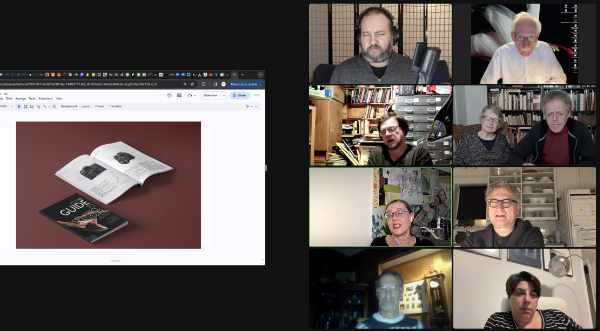
executive meeting No 42 by ZOOM

PHSC President Clint Hryhorijiw

Toronto. One positive outcome from COVID-19 is the use of ZOOM. In fact, the most recent executive meeting (Wednesday, December 6th, 2023) was our 42nd executive meeting held via ZOOM (it was a pleasant and productive session). 

We were joined briefly by Rita Godlevskis of PhotoEd to review some suggestions for the PHSC. We have agreed to continue our advertising in PhotoEd and her other ideas are being considered.

The PHSC newsletter (under our new editor, photographer Katrin Faridani) is being written and revised with a tentative release date in January 2024. Prefer a personal copy of the newsletter but haven’t yet joined the PHSC? Just drop me an email at news@phsc.ca and I will add you.

We are seeking a new Membership Secretary. Can you help as a volunteer (in this or any other executive position, or at any PHSC event)? Then drop me a note to forward to Clint using this email address: info@phsc.ca. By the way, please note as of 2022, our membership year ends December 31st.

We are presently tidying up our databases and investigating the effect of going pdf vs. hard copy with the journal.

The topic and date of our next Toronto meeting will be announced here as soon as it is released.

Co-editor David Bridge and partner Louise Freyburger have released the latest issue of Photographic Canadiana.  The editing team gave us an overview of the next issue of our journal (49-3), scheduled for release by year end making it the 4th issue of 2023.

As part of our database updates, we are currently updating our MailChimp data. It is important to us that you are notified as each new journal edition is released. If you are a member but HAVE NOT seen any notification for any journal issue since you registered/renewed, please email me at info@phsc.ca.

And a Merry Christmas to one and all from your executive.

early in the December 2023 PHSC Executive meeting

Posted in activities | Tagged | Comments Off on executive meeting No 42 by ZOOM

clowning around

LIFE ad in Oct 1942 for Castle Films

Toronto. Taking a break from stills, my good friend, George Dunbar, found this ad for Castle Films. Most of our members are ‘stills’ professionals or collect still cameras and images. The occasional member is keen on movies as well (the late Bob Gutteridge even wrote about them).

Castle Films saw a niche market in ready-to-view films for the home (8mm, 16mm). The company aimed at those who had movie viewing gear but had lost interest in taking movies. The company must have been mainly a marketing force since beside ordering a movie copy directly, you could often just buy one from a local photo supply store (our drug store carried the Castle line (briefly) along with other photo supplies and services).

The above ad appeared the October, 1942 edition of LIFE magazine. In the late 1950s, our family had a few different Castle Films titles – you  guessed it, bought at the local drug store.


Posted in history | Tagged , , | Comments Off on clowning around

selfies galore

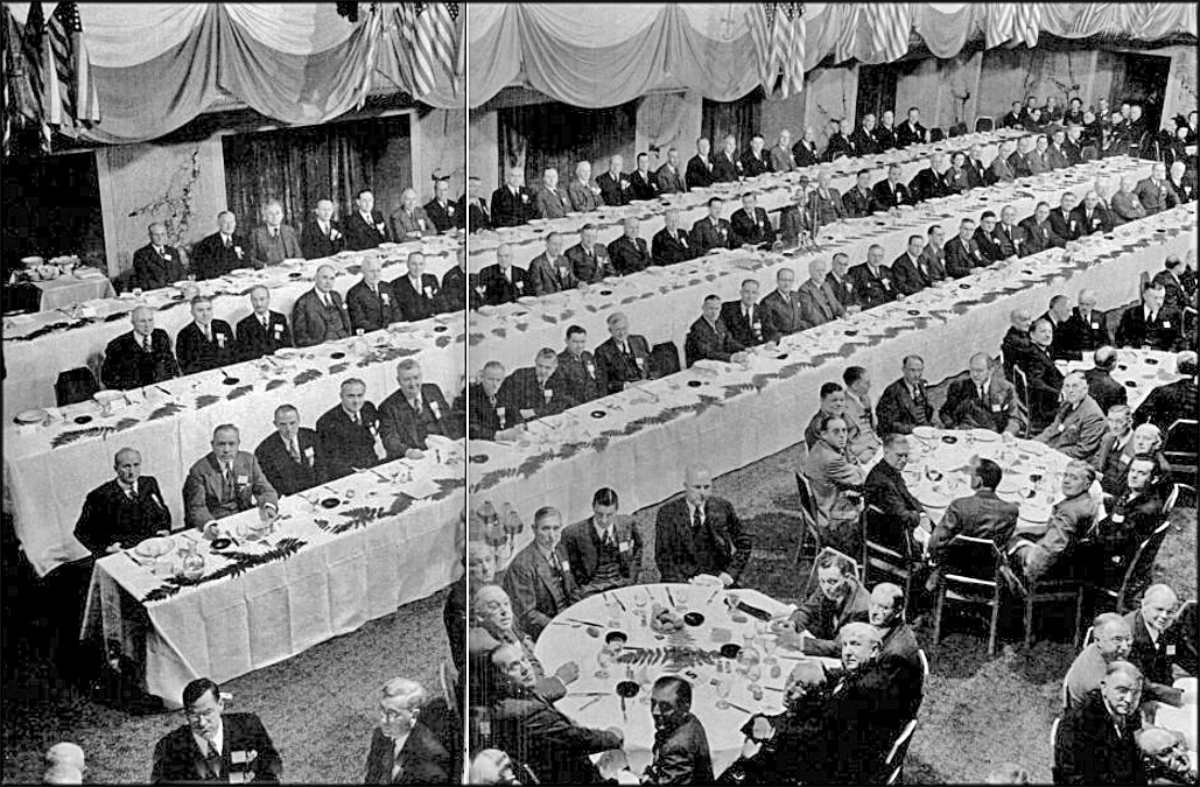
A December 1943 group photo in LIFE

Toronto. Photographers both professional and amateur elect or are prodded to record groups – organizations, schools, military, bands, special events, etc.

Some photographers even specialized and used special cameras (e.g. Cirkut) or extreme wide angle lenses (e.g. Zeiss Protars) to capture a group.

Sometimes a stairway was used to ensure everyone in the group could see the camera and be seen. Our late editor, Bob Lansdale, himself a professional photographer, made use of stairways in this manner. Or a high elevation for the photographer might work as shown in the LIFE photograph at left of the 1943 NAM meeting.

George Dunbar writes, “Here’s a great historical photo of the first woman among her peers, all men. Life Magazine published this photo of a National Association of Manufacturers (NAM) meeting in New York in December 1943. The amazing image (80 years ago) identifies only one woman, Ruth Leach (7th from right in middle row).  She was appointed as the first female executive and vice president of IBM in 1943.”

George’s comments brought to mind the terribly long and still ongoing struggle women in business face. When I entered the work force, jobs (and pay) were split into male and female. I worked for a very proactive company that eliminated the male/female job ratings and slowly began encouraging women to reach higher management ranks. The bias of the older work staff made it a tough and lengthy struggle.

Posted in history | Tagged , , , , | Comments Off on selfies galore

creating a buzz

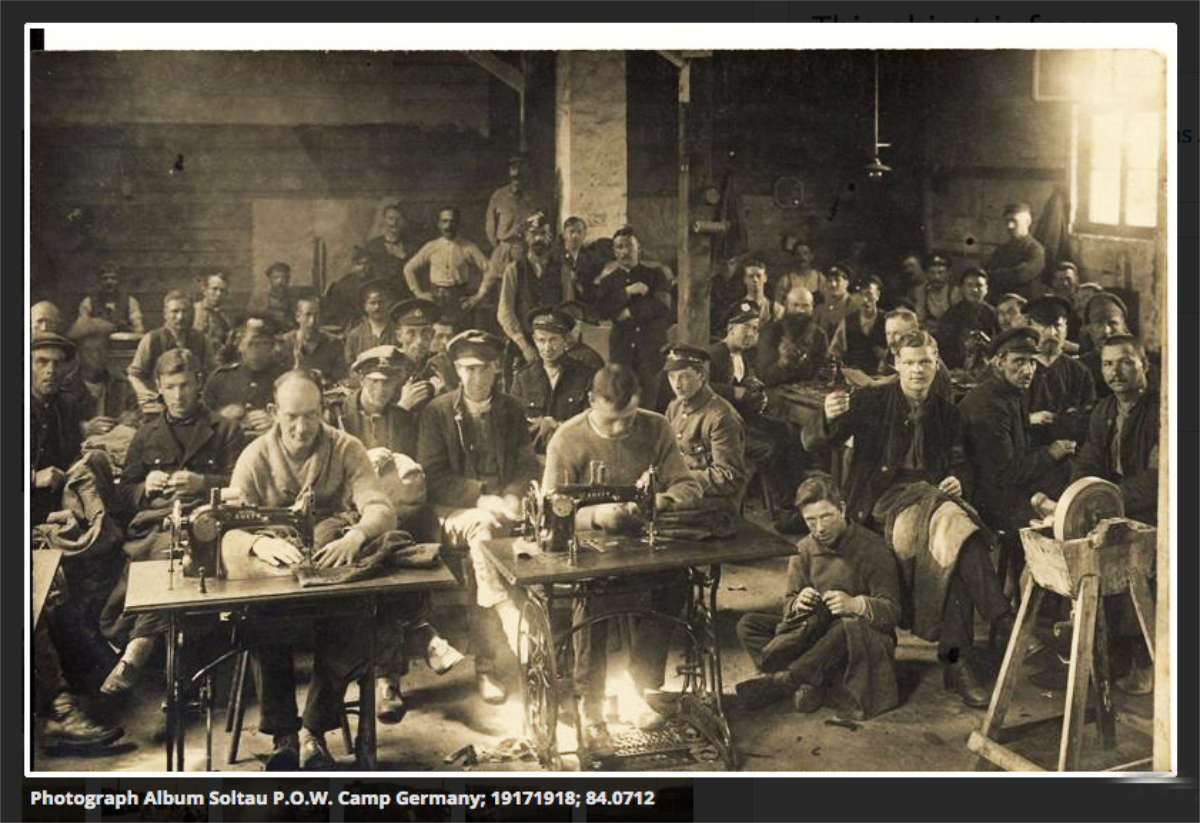
WW1 POW camp in Germany courtesy of the Sovereign Hill Museums Ascn., Australia

Toronto. George Dunbar sent me an email recently regarding another source of photo-history. George writes, “Another unique online archive gallery here. The site uses eHive which is a CMS (Collection/Content Management System) like WordPress. In fact there is a plug-in for WordPress. eHive was created by Vernon Systems in New Zealand.

They say on their website, “Vernon Systems has more than 30 years’ experience in creating software for the museum, gallery and cultural heritage sectors.  Our systems are used around the world by institutions to catalogue, manage and publish information about collections.

You can join SHMA and share images with others. The example shown here is a POW camp in Germany during WW1. It is from the ‘Sovereign Hill Museums Association‘ in Australia (the SMHA above). This photo is of personal interest as my wife’s two grandfathers fought in WW1 along with some of my relatives.

Image collectors may find this site and others using eHive helpful in their research.

Posted in history | Tagged , , | Comments Off on creating a buzz

unintended consequences

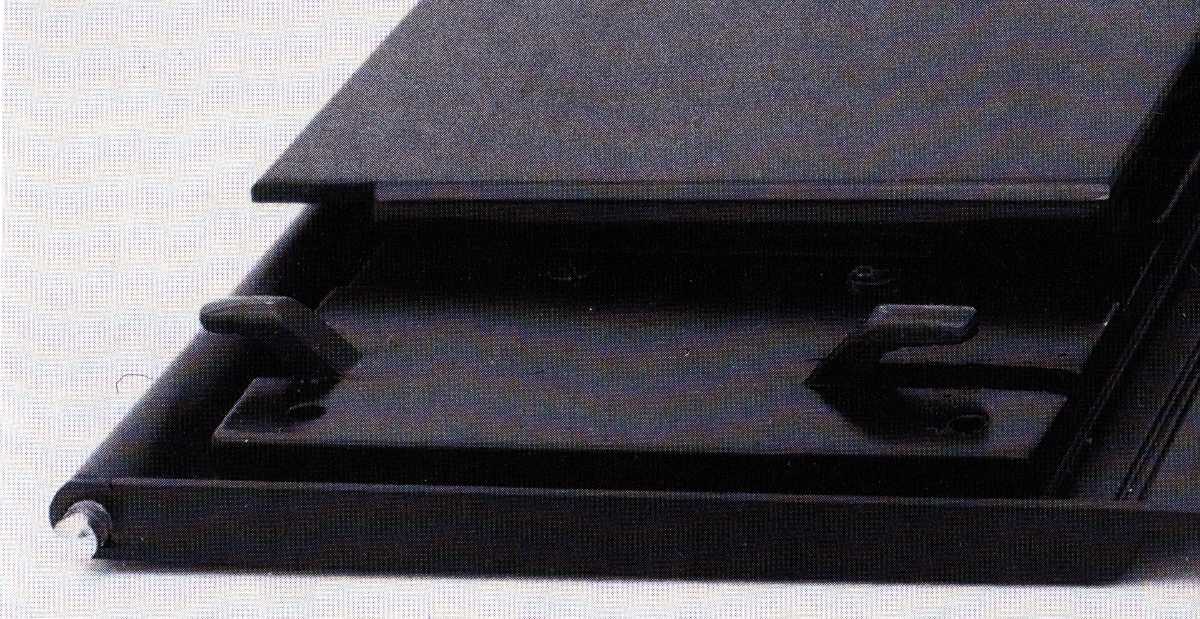
M3 metal pressure plate courtesy of Jim Lager and his coffee table size trilogy on Leica

Toronto. In 1954 Leitz blazed a new trail in the minicam saga with the introduction of the M3 model Leica – Its first post war design, the camera had  features galore over the modest screw-mount line. Gone forever was the ‘bottom-place-access-only’ for film insertion.

In the M series, Leitz offered a hinged camera back plus the bottom plate! To complement this camera back feature, the metal pressure plate was replaced with a glass pressure place, eliminating any risk of  ‘tram tracks’ due to a rough edge on the plate and to ensure a solid , perfectly parallel film – lens distance.

Cold dry weather had a surprising impact on the early M3. Fast movement of the film across the plate generated static electricity … this occasionally caused a spark … the spark illuminated the film briefly … and created a lightening like image in the negative.

After manufacturing about 3,000 M3 cameras (Dr Alex Wight’s “The Collector’s Checklist of Leica Cameras ..“, 4th edition, 1980). Leitz swapped the glass plate for a metal plate that used the more conventional smooth edges to eliminate any risk of ‘tram tracks’. During the Summer Olympics in Montreal, I saw a customer who accidentally created the nefarious ‘tram lines’ (and some ghostly writings) in spite of the plate’s change in material – he had scratched his name on the metal pressure plate using the conveniently hinged camera back ….

Note, I have all three of Jim’s massive books published in 1993 – 1998, purchased directly from him as each was first published. A wonderful visual history of the little camera that had such a huge impact on photography.


Posted in history | Comments Off on unintended consequences

shelter from the dust …

shutter dust shield added to the Leica Standard, Leica III and later

Toronto. When Leitz produced the Leica, they used a removable base plate to replace films and help reduce the area open to air borne dirt and dust. This worked for models without lens interchangeability.

When the model II gave way to interchangeable lenses, the lens mount offered a gaping opening for dust to penetrate the tiny camera during lens changes. A solution was to add metal barriers to the rolled  shutter curtains previously left open to the lens mount. This change was added to all models after the Leica II.

Sadly some copied versions were based on the Leica II but offered lens interchangeability – and an opening to dirt and dust.

Inspiration for this post came from Dylan’s 1974 song, “Shelter From  the Storm” on his album Blood on the Tracks (I have the CD version).

Posted in history | Tagged , , | Comments Off on shelter from the dust …