bunch of Klapp

Ernemann Miniatur-Klapp 4,5×6 (1922) with Carl Zeiss Jena Tessar 1:3,5 75mm courtesy of Abdishev

Toronto. In English, we say a camera is a folder if it has a bellows that can be folded so the body and lens are more compact – like Kodak folders.

In German, the term is klapp, not folder. The popular line of Klapp cameras for collectors is most likely those made by Ernemann in Dresden.

In 1926, like many German camera factories, Ernemann merged into the nascent Zeiss Ikon group in Dresden as part of the government’s efforts to streamline German camera manufacture and stop the numerous near duplicate versions being made at the time.

The Ernemann cameras can be seen at Camerapedia and Camera-Wiki. The beautiful  illustration at left is courtesy of Abdishev. Flicker also has many photos of interest.

Posted in history | Tagged , , , | Comments Off on bunch of Klapp

our February 21, 2024 Show and Tell meeting

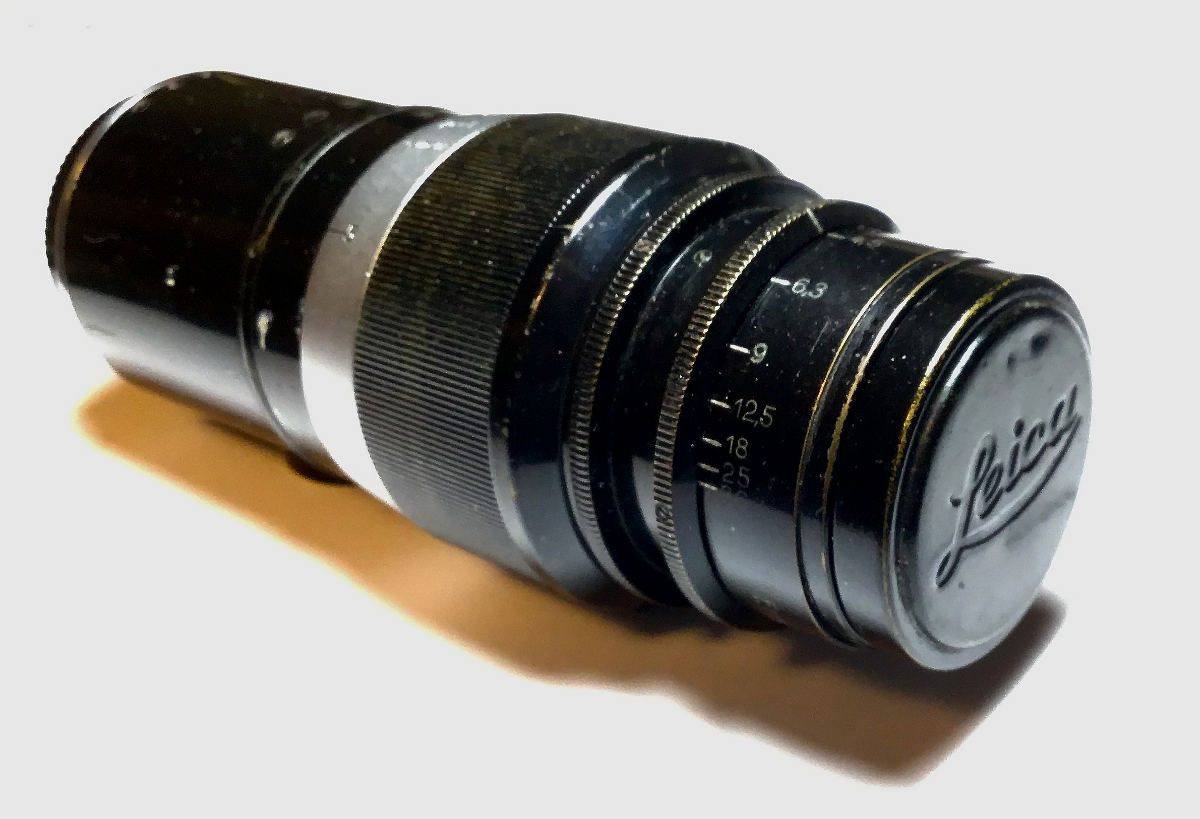
A rare c1932 13.5 cm f/4.5 Elmar lens with the last three digits of the Leica it was bought with as a serial no. Standardized lens mount-film distances eliminated the need for such lenses.

Toronto. Join us on the 21st at 8:00 pm for “The Photographica I Love: Show & Tell” and see what members bring from their collection. This is a traditional Show and Tell  but via ZOOM with selected members showing items and briefly describing them (perhaps asking for more information too).

If you have any questions, please contact our programme director, Celio Barreto at program@phsc.ca or our president Clint Hryhorijiw at fair@phsc.ca.We will be advising all those on our MailChimp list with valid email addresses how to connect via ZOOM for this ONLINE presentation!

And remember, visit one of our spring events – you may just see a lens like this or another neat item for your use or collection.

Posted in program | Tagged , , , , , | Comments Off on our February 21, 2024 Show and Tell meeting

an archives to remember

Snap shooting on Black Lake, Yukon in Sept 1898 by H C Barley courtesy of Yukon Archives

Toronto. The Yukon Archives pulled together a nifty little illustrated pdf covering their history from 1972 to 2012 including a selection of photographs and memorabilia from its fonds.

Like other provinces and territories, the Yukon has many lakes. To the left is a century plus photograph from the YA fonds showing two ladies taking snap shots up on Black Lake. The lake is in the southern part of the Yukon closer to the BC border.

According to the American site, Geodata, “Black Lake is a natural, glacier lake formed by the same glacier that carved out the Great Lakes. The glacier melted from 11,000 to 15,000 years ago, toward the end of the most recent ice age. The resulting water created the lake.”

Photo historians and image collectors will enjoy both the Yukon Archives in Whitehorse and this brief history of the archives in recent times.

A very special thank you to my good friend and fellow photo historian for discovering and sharing the wonderful archives in our very far north west territory nestled against Alaska and BC and in an earlier century famous for it gold rush and Chilkoot trail.

Posted in history | Tagged , , , , | Comments Off on an archives to remember

Lewis Frissell movie maker 1903 – 1931

Lewis Frissell 1903 – 1931 as shown on the DCB web site.

Toronto. My good friend George Dunbar noticed this article on the late Lewis Frissell while browsing the Dictionary of Canadian Biography website. While Frissell was born in NYC, his thirst for adventure and doing something meaningful with his life brought him to Labrador and Newfoundland.

Both an author and a movie maker, his efforts to augment the scenes in the movie “White Thunder” prompted him to hire a ship out of St John’s, NL (the movie was also titled “The Vikings”, etc.).  Sadly the ship exploded near the Horse Islands, Newfoundland and Frissell at 27 years of age was one of the people killed in the massive blast.

My thanks to George for noting this story of early Canadian movies and sharing the link with us.

Posted in history | Tagged , , , , , , | Comments Off on Lewis Frissell movie maker 1903 – 1931

eyes wide open …

not your average ‘Red Rocket’ (local nick-name for the TTC Streetcar)

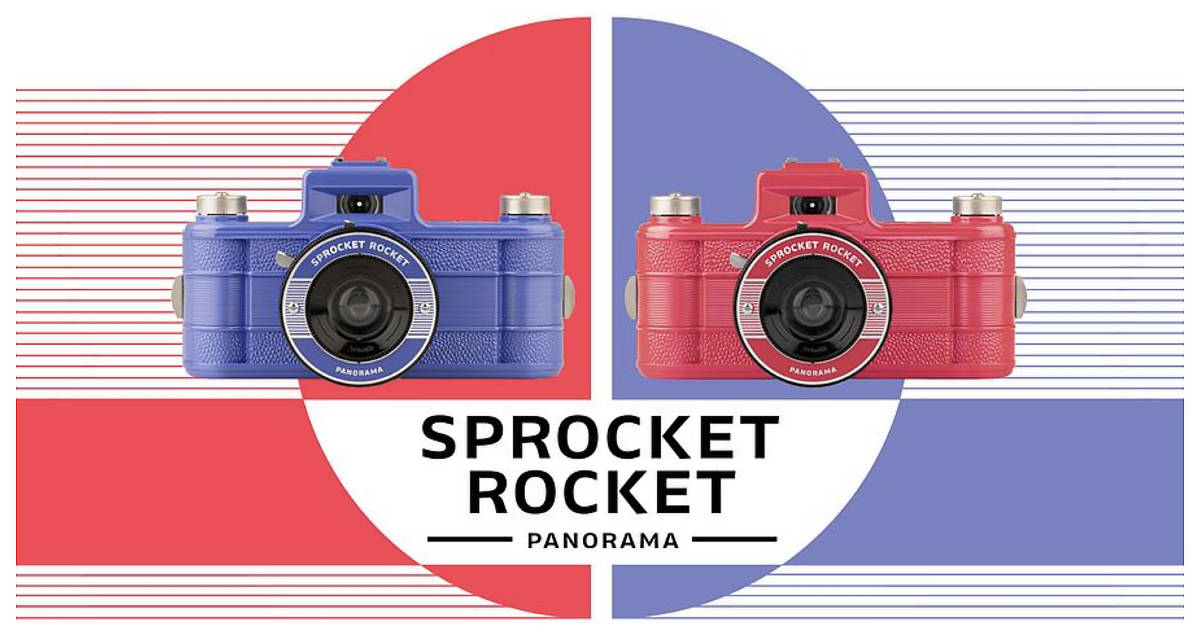
Toronto. Alexa sent me an email the other day announcing a new camera from Lomography. The Sprocket Rocket comes in red or blue. It is a panoramic camera.

Alexa writes, “We are excited to announce that TWO new Sprocket Rocket 35 mm Panoramic Camera editions are ready for take off! In bold new colours to suit different styles, this unconventional camera will inspire analogue astronauts to shoot for the stars and is available now from our Online Shop and selected retailers [Downtown Camera in Toronto].

“The Sprocket Rocket boasts a unique 1:3 panoramic perspective, exposing the entire width of 35 mm film for unapologetically analogue, ultra-wide imagery. An optional frame insert is included to cover the sprocket holes for unperforated panoramics, and the camera comes with advanced creative features like multiple exposures and a rewind dial for exciting compositions.”

Posted in activities-other | Tagged , , | Comments Off on eyes wide open …

a different tank

a WW1 tank and Canadian Infantry soldiers in 1918 courtesy of the Canadian War Museum

Toronto. Did you ever wonder about tanks – military, not photographic? The tanks of WW1 were much different from those of WW2. And again, without photography we would have to rely on words and sketches.

The Canadian War Museum has memorable objects and photographs of the first world war, the men, the equipment, and the ideas.

My good friend, George Dunbar, came across the photograph at left titled “Returning on a Tank” showing men and a WW1 tank in France  from the “George Metcalf Archival Collection, article CWM 19930012-528” at the War Museum’s online photo archive.

The cut line under this photograph reads, “Members of the 5th Canadian Mounted Rifles return from combat piled on a tank in this posed August 1918 photograph. At the Battle of Amiens, where this photograph was taken, Canadians experimented with transporting infantry to the front inside the tanks, but carbon monoxide exhaust and the crippling heat left most of them vomiting and unable to fight.”

Well, it seemed like a good idea …

Perhaps you who collect photographs or war memorabilia have similar photos in your collection. Remember war photographs and other goodies turn up at our auction and fairs – drop in and see what is offered that augments your personal collection! See dates and places in our RH sidebar. I will put up a poster as we near a given event.

Posted in history | Tagged , , , , , , , | Comments Off on a different tank

Anton Vogee, photographer, Yukon

Vogee’s shop in Dawson, Yukon, early 1900s. Courtesy Yukon Archives via Yukon News

Toronto. For some years Scott Rickard was our programme director (and a speaker in the fall of 2015).  Scott and his wife had recently moved south after operating a photo studio up in Dawson. Scott joined the re-enactment of a mail run along the Chilkoot trail used by those in search of fame and gold to celebrate its 100th anniversary.

More recently, George Dunbar sent me a note the other day. George had discovered the Yukon News site. In particular he found and shared this article titled, “History Hunter: Anton Vogee is a treasure from the vaults of the Yukon Archives“, written by Michael Gates and dated Jan 9, 2022.

Michael asked David Schlosser, Yukon’s Territorial Archivist, for his suggestion of a photographer and his photographs from the massive 300,000 to 400,000 images archive.

The result was this story of Anton Vogee and his photographs taken in the early 1900s. Michael says in part, “Anton Vogee was born in Norway in 1867 and emigrated to the United States in 1888. At first, he painted studio landscapes. He later became a travelling sign painter for a tobacco firm. Vogee was also a photographer and made good use of his camera to document his hand-painted signs as proof for payment for his work.

“Vogee had opened his first sign shop in Portland, Oregon, when news of the Klondike Gold Rush reached Portland in 1897. He joined the rush and quickly opened a shop in Dyea, at the head of the Chilkoot Trail in Alaska. The following year he moved to Skagway. In 1899, he moved his business to Atlin, B.C., with a branch office in Pine City, located in the nearby goldfields.

“By 1900, he had moved to Dawson City, where he opened a store on Princess Street, behind what would later become the Oddfellows Hall.

Read Michael’s story in full and see how photography complements history and the valuable work done today by local archivists – and all photograph collectors who take the time to research their collections.

Posted in history | Tagged , , , , , | Comments Off on Anton Vogee, photographer, Yukon

BHM – British Columbia’s Black Pioneers

Victoria BC c1859 (Image A-03038 Courtesy of Royal BC Museum and Archives.)

Toronto. My good friend, George Dunbar, discovered a site managed by Digital Museums Canada. This site, Community Stories, offers a timely story titled, “British Columbia’s Black Pioneers: Their Industry and Character Influenced the Vision of Canada“.

“Their story is unlike any other story in Canada. As the Fraser Gold Rush was heightening, the British desperately needed settlers and they needed them quickly, settlers who could help to cement Victoria, the capital of the Colony of Vancouver Island, as a British administrative, business and mining hub, thwarting any attempts by the Americans to assert territorial authority.

“This exhibit reveals how a group of about 800 Black immigrants, invited to settle here by Governor James Douglas, helped to stabilize British colonial communities and keep this area of Western Canada from American hands. At the time of this migration, the province of British Columbia, as we know it today was made up of the Colony of Vancouver Island and the Colony of British Columbia. James Douglas was the Governor of both colonies.”

Read this and the rest of this captivating story online. Our history tends to be white, male, and Eurocentric. Stories like this add a measure of balance but we have along ways to go. The story shows once again the importance of photography in illustrating history.

Posted in history | Tagged , , , , | Comments Off on BHM – British Columbia’s Black Pioneers

the future is now …

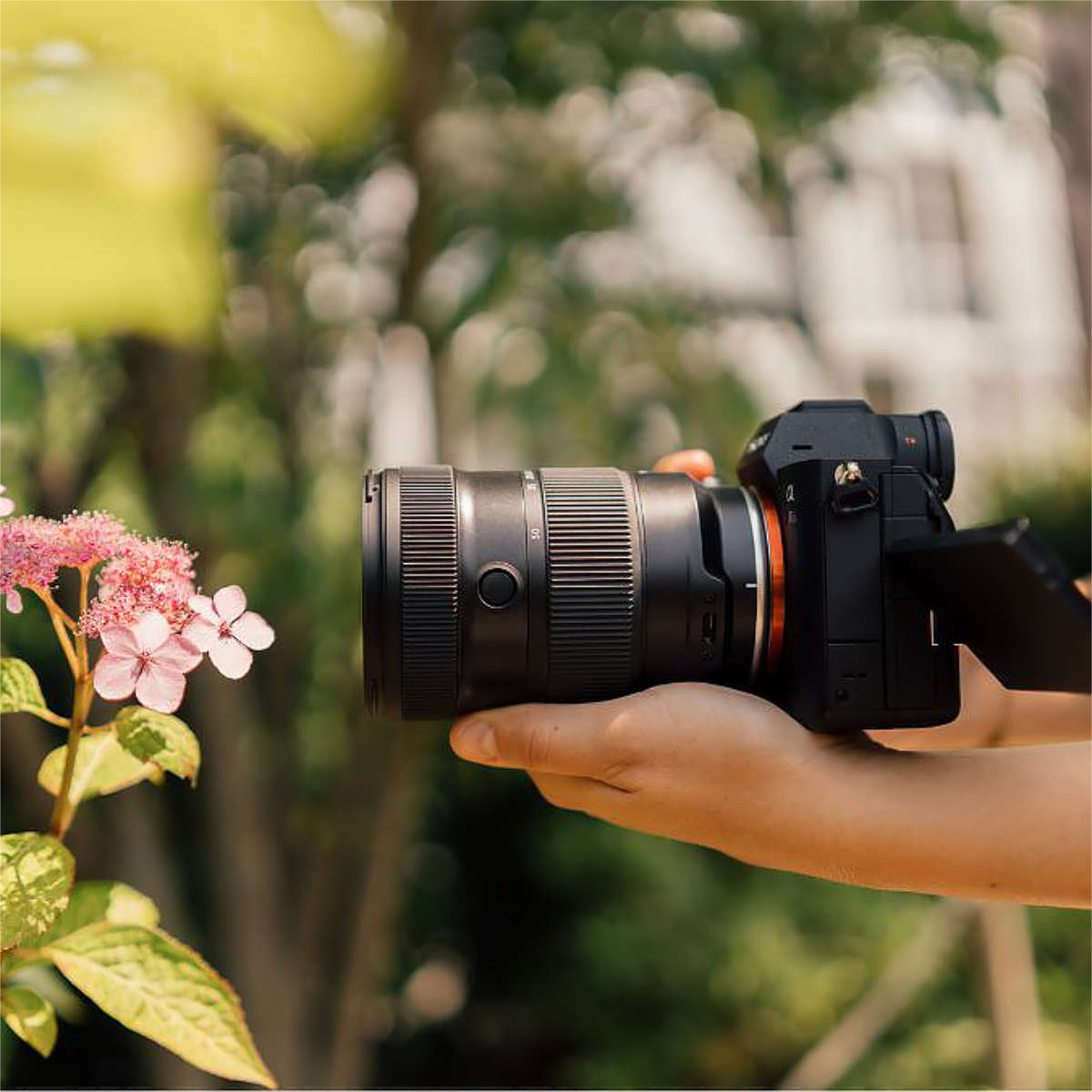
Tamron f/4 17-50mm zoom lens for a full frame Sony digital camera

Toronto. In years gone by, extreme wide angle lenses were very special. A lens was attached to a camera to capture a specific angle of view. In many cases, the lens was stopped down to avoid unintentional vignetting. Specialty wide angle lenses merited special usage instructions like holding the camera high in a corner of a room.

Around the 1950s, zoom lenses first came on market. Distortion, weight, slow speed, narrow focal length range, and a hefty price tag limited the potential retail market.

By late in the century, zoom lenses became practical. In fact as we entered the digital era, zoom lenses were the norm and so called ‘prime focal length’ lenses became pricy specialty items.

Today, Tamron has a 17mm to 50mm zoom lens that fits a ‘full frame’ Sony camera and is even offering one for free, Rita Godlevskis, editor of PhotoEd reminded us of Tamron’s  ‘give-a-way’ offer in her recent email.

I will mention once again that these lenses may well become sought after historical items in 50 to 100 years just like we lust after old brass lenses like the mid 1800s Pantoscope and its brethren. Remember, you heard about it in 2024 …

Posted in activities-other | Tagged , , , | Comments Off on the future is now …

quirky Canadian street photography

Ian MacEachern by Linda Munn

Toronto. Photo collectors make astute choices for their collections. Some specialize by process; some by date; some by subject; some by region; etc. Others are quite eclectic in their choice. Some photos are taken by amateurs; some are family photos; and others are random shots by street photographers.

Ian MacEachern is one of those street photographers. Unlike many, some of his shots capture not just people, but street scenes at the ‘decisive moment’ as Cartier-Bresson once described such impactful photos.  A sample of his work appears in an article titled, “This new exhibit showcases six decades of quirky Canadian street photography” on Maclean’s web page. The article is by Alex Cyr,

This story and the link to the article is courtesy of my good friend, George Dunbar, who discovered it while searching for items of interest to our members and other readers of this site.

Posted in people | Tagged , , , | Comments Off on quirky Canadian street photography