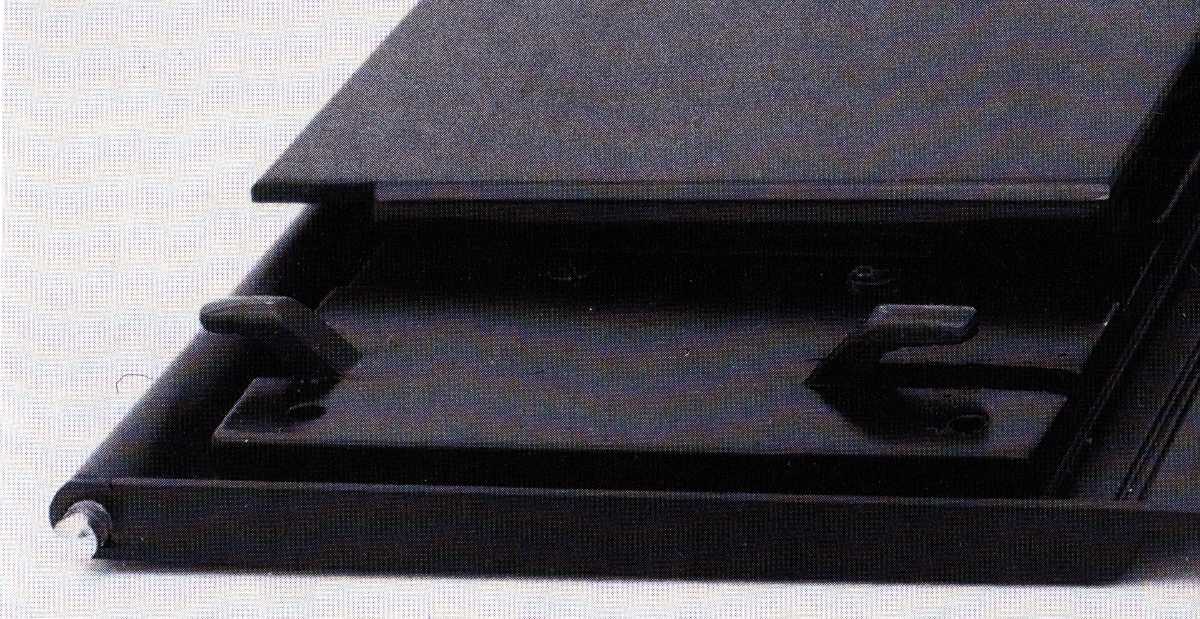
M3 metal pressure plate courtesy of Jim Lager and his coffee table size trilogy on Leica
Toronto. In 1954 Leitz blazed a new trail in the minicam saga with the introduction of the M3 model Leica – Its first post war design, the camera had features galore over the modest screw-mount line. Gone forever was the ‘bottom-place-access-only’ for film insertion.
In the M series, Leitz offered a hinged camera back plus the bottom plate! To complement this camera back feature, the metal pressure plate was replaced with a glass pressure place, eliminating any risk of ‘tram tracks’ due to a rough edge on the plate and to ensure a solid , perfectly parallel film – lens distance.
Cold dry weather had a surprising impact on the early M3. Fast movement of the film across the plate generated static electricity … this occasionally caused a spark … the spark illuminated the film briefly … and created a lightening like image in the negative.
After manufacturing about 3,000 M3 cameras (Dr Alex Wight’s “The Collector’s Checklist of Leica Cameras ..“, 4th edition, 1980). Leitz swapped the glass plate for a metal plate that used the more conventional smooth edges to eliminate any risk of ‘tram tracks’. During the Summer Olympics in Montreal, I saw a customer who accidentally created the nefarious ‘tram lines’ (and some ghostly writings) in spite of the plate’s change in material – he had scratched his name on the metal pressure plate using the conveniently hinged camera back ….
Note, I have all three of Jim’s massive books published in 1993 – 1998, purchased directly from him as each was first published. A wonderful visual history of the little camera that had such a huge impact on photography.