another, and another, and another …

tables at our 2017 spring fair

. .. Wow! Wall to wall cameras and photo goodies at our coming fair. The image at left is from our spring 2017 fair at the ‘palace’.

Come on down on the 26th  and see what you can find to add to your collection and user gear. There will be lots of interesting stuff on the exhibitor tables – cameras, lenses, books, photos, accessories, and more. Things for the film and digital folk.

Mark and Clint will be there to help out. Good food, cheap admission and free parking. Check out the poster for details (same link as the 26th).

Posted in fair | Tagged , , , , , | Comments Off on another, and another, and another …

powder … POOF!

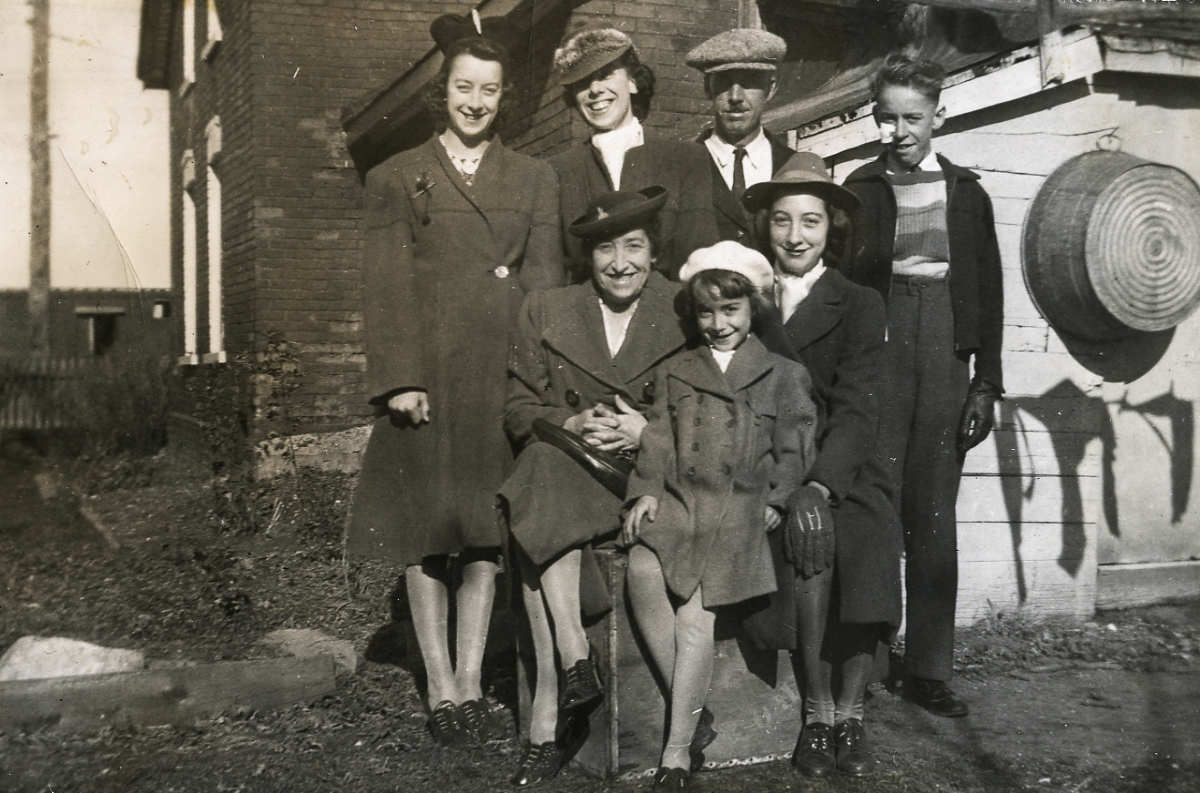
a young gentleman photographed indoors by flash powder. c 1908

Toronto. The early light sensitive media were far too insensitive for dusk, night or  indoor shots (studios used long exposures, a means to hold the subject very still,  and large windows, ideally facing north, to let in copious amounts of sunlight). This deficiency (media insensitivity) was remedied by flash. As can be seen by this early 1900s portrait indoors of a young gentleman at left (the dry plate negative was bought some years back from Ms M Cook). The sharpness and shadows give away the secret of using flash powder for the shot.

Long before we had flash bulbs and electronic flash, photographers used a mixture of magnesium and nitrate in a long trough held over the photographer. This concoction was announced in 1887 by Adolf Miethe.

Ignition provided a brief and intense light. Too little and the plate was under-exposed. Too much and the plate was over-exposed. Way too much and disaster! Unfortunately, the mixture was also somewhat unstable and sometimes it accidentally ignited with often bad results.

Posted in history | Tagged , , , , , | Comments Off on powder … POOF!

Triumph of the Image

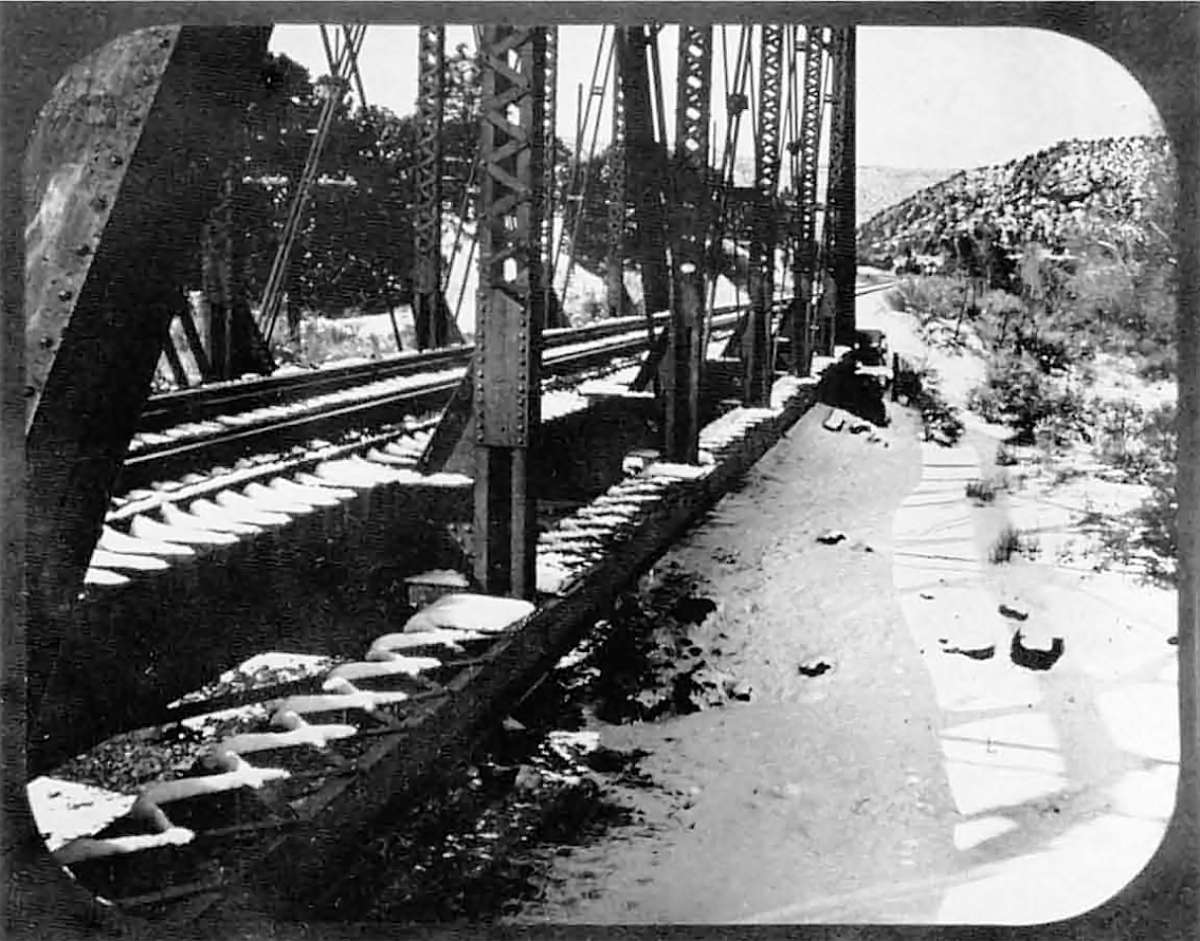
postcard photo from the book by Harvey Tulcensky

Toronto. My good friend, George Dunbar, recently dropped me a line mentioning a NY Times article about at a Museum in Belgium. The article, titled, “Triumph of the Image” is an archived writing by Luc Sante.

George writes, ”  A wonderful history of ‘images’ is presented here in a New York Times’ archived article. That final statement (my underline) describes the joy and delight experienced by us all, thanks to photography.”

This is the excerpt from George: “The invention of photography furthered the impact of these great repositories. If you couldn’t stroll the Louvre’s marble corridors, at least you could look at pictures of its collection. Large numbers of people first became acquainted with the Mona Lisa and the Venus de Milo when photographs of these works (dim sepia views, especially in the case of the paintings) began to be made and distributed in the 1850’s.

“The considerable power of these pictures is beautifully evoked in Jean-Luc Godard’s 1963 movie, “Les Carabiniers.” In one scene, a couple of near troglodytes sent off to war come back with plunder in the form of a suitcase full of postcards. For 10 minutes — an eternity on screen — the characters lovingly pull their newly discovered cards out of the case one by one: monuments, landscapes, animals, street scenes, fine-art reproductions. They possess the world. Godard’s scene, for all its ironies, comes close to the excitement and amazement that must have seized people when they first realized that everything on earth could be conveyed, and owned, in the form of pictures.

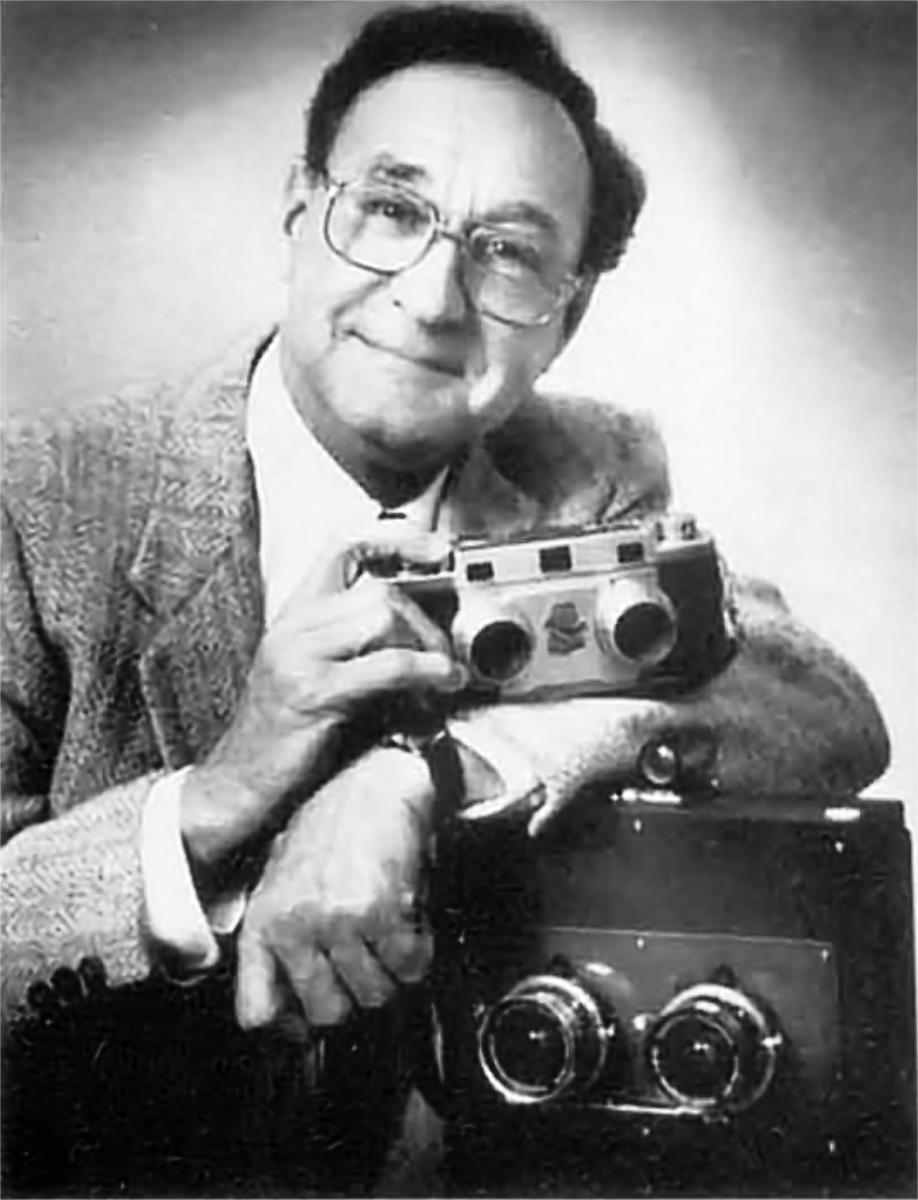
I illustrated this post with a postcard photo from a book by Harvey Tulcensky of the USA. Two other postcards courtesy of Tulcensky are included in the NYT article.

Photo collectors take note! There will be many fine old photos offered at our coming spring fair this May. We have hosted the fair for almost a half century now at various venues in Toronto and the GTA. Come on down (see above link for details) and check out the goodies to add to your collection or user gear.

Posted in history | Tagged , , , | Comments Off on Triumph of the Image

you’re stringing me on …

An early ad in the BJA for the revolutionary KODAK camera of 1888

Toronto. … a comment that may have entered the mind of an 1888 photographer seeing Eastman’s ad for his new camera. Before the Kodak was offered, cameras were mainly large, heavy devices that took only a few shots at most.

The novel camera called the Kodak was light (just over a pound), small, and boasted 100 photos before returning the roll and camera to an Eastman company location. The camera used the new flexible and light roll of stripping film (so called because the clear backing was not optically perfect). At Eastman, the emulsion was stripped from the backing and carefully placed on a long glass top table. Each correctly exposed frame of the  processed film was contact printed to make a round print some 2 5/8 inches in diameter glued to a small rectangular card.

The prints and camera, with a fresh 100 exposure roll of film, were mailed back to the owner. A few months later optically clear backing was developed for the roll film making the process even simpler!

The story of Eastman’s early days and the famous KODAK camera are included in a profusely illustrated book by Reese Jenkins called “Images & Enterprise“, first published in 1975 by the Johns Hopkins University Press. Jenkins’ book is well worth reading by any photo historian, photo collector, photographer or businessman. Borrow a copy or buy a used edition or the 1987 reprint (I bought my copy of the original 1975 hard cover in 1977).

Stringing people on  indeed – the Kodak in its day was a revolutionary camera!  By the way, while we can’t promise  you will  find one of these rare cameras at our fair – you will certainly find goodies for your collection or user gear (film or digital).

Posted in history | Tagged , , , | Comments Off on you’re stringing me on …

June Bug

Mature June Bug c2019

Toronto. Entomology is the science of bugs. An offshoot of photography is close-up shots of bugs and bug parts for books, magazines, education, study, etc.

Each spring we experience white grubs just below the surface. Skunks consider them delicacies and prowl over lawns at night digging random holes as they pursue this tasty treat. In May the mature adults begin to emerge and crash against outdoor lights, house windows, etc. in the evening.

Professionals can skilfully photograph these little beetles and offer up their fascinating details to the eye. Have a look this coming June and see if you can spot and snap these little beasties. As a photo collector, keep an eye out for old photos of these and other bugs. You may find such photos at our Fair this month.

Posted in fair | Tagged , , , , , , , , | Comments Off on June Bug

wild blue yonder

Wild Blue Yonder – sky above construction in west end Montreal (1960s/1970s)

Toronto. Even before airplanes, photographers took aerial shots. Hot air balloons were the basis for the first aerial shots. Perhaps Nadar was the most famous hot air balloon photographer, taking photos shortly after the art was invented.

When airplanes began (around 1900) photographers snapped them: experimental, military, commercial  or private, etc. Once aircraft became popular, they replaced the balloons for aerial shots of earthbound objects.

In the mid 1900s, pros would take aerial shots of farms and farmland to sell prints to the owners. A few decades ago, professional photographers would join pilots in small aircraft to photograph buildings and potential locations.

One professional, George Hunter, spoke to the PHSC in January, 2003. George was famous for his aerial shots of industrial facilities, images at dusk for magazines, etc.  In 2003, like most professionals, George used film. But unlike most, he scanned his best shots and adjusted them in Photoshop. A visionary and a daring photographer working in the wild blue yonder…

Posted in history | Tagged , , , | Comments Off on wild blue yonder

smoke and mirrors …

accessory to create in camera double/triple exposures

Toronto. The Young-Helmholtz  theory of colour with three different wavelengths of rays in various combinations became the standard means to create colour images – even today in the digital world.

Different camera designs were touted to place the three unique colour images on three different monochrome plates. A scheme to expose all three plates at once offered a way to capture colour photos of something in motion.

A novel accessory using a similar idea was this 1956 gadget that combined two or three subjects on one film frame – still or movie. This way, a photographer could super impose one image on another in camera rather than in the darkroom.

The idea probably didn’t catch on, since it had limited use, and disappeared from view. In the 1950s, photographers fussed over added lenses, better resolution, higher sensitivity, colour, flash, etc. far more than any niche idea.

Thanks to my good friend George Dunbar for sourcing this piece of photo history in a filler article from the  May, 1956 issue of Popular Mechanics. A clever idea that seemed to be of little practical value.

Posted in history | Tagged , , , | Comments Off on smoke and mirrors …

fair is fair, my friend …

Toronto. … so come on down to the Trident Hall on Sunday, May 26, 2024. Free parking, modest admission (students free), and good food. Plus  you can meet and greet old friends while you add to your collection/user gear!

What better way to spend a balmy Sunday? Questions? Drop a line to Mark at  fair@phsc.ca. (The fair has been ongoing for half a century now.) See the poster below (links are not active) for details.

PHSC Spring Fair – May 26, 2024

Posted in fair | Tagged , , , , , , , | Comments Off on fair is fair, my friend …

Executive Meeting No 47 via ZOOM

PHSC President
Clint Hryhorijiw

Toronto. Our May meeting was held via ZOOM last week..

PHSC newsletter editor Katrin Faridani  plans to issue the next newsletter in May. If you didn’t get your copy for April, drop me an email at news@phsc.ca to be added to MailChimp.

Membership Secretary Lilianne Schneider sent two reports; Members not renewed and Members renewed. If you are on the ‘not renewed’ list, RENEW NOW to ensure you are notified when the next issue of Photographic Canadiana  is ready. See the MEMBERSHIP menu above and/or our PayPal button at right.

Lilianne also suggested some promotional ideas such as using  a QR code to contain our information for new/renewed memberships. This is now being investigated. Contact Lilianne via info@phsc.ca if you have any suggestions or questions.

To recap, our journal is in ‘pdf format only’ now with the latest issue available after a MailChimp notification. If  you have UNSUBSCRIBED, you will not receive notification nor Photographic Canadiana nor other info. MailChimp does not permit me to reinstate that specific email address. Renewal by me of such addresses is possible via a form, not yet on our site. If you change email addresses, please tell us as MailChimp flags such old addresses as CLEANED (they cannot add your new address automatically).

*Note that as of 2022, our membership year ends December 31st.* As of 2024, memberships are $35/$100 1 yr/3 yr Canadian regardless of the member location (one of the perks of pdf).

There will be NO Toronto meeting in May as we hosted the May 5th auction and will host the May 26 fair.

Co-editor David Bridge and partner Louise Freyburger  are presently writing issue 50-1 of the PHSC journal which is scheduled for release around late June, 2024. As usual, we notify all members via MailChimp of the release. If you are a member but HAVE NOT seen any notification for Photographic Canadiana since you registered/renewed, please email me at info@phsc.ca.

Finally, as a non-profit society, we always need volunteers. If you feel you can help in any capacity, email me at info@phsc.ca and I will advise our president.

Posted in activities | Tagged | Comments Off on Executive Meeting No 47 via ZOOM

not waiting for Godot …

not waiting for Godot …

Toronto. … but waiting for the PHSC Spring Fair. With apologies to Sam Beckett. Now our Spring Auction is over you have another chance to add to your personal collection/user gear (or both).

Collectors and users alike are welcome at our annual spring fair with open arms. Like the auction, there is free parking and good food. Unlike the auction, there is a small entrance fee (students excepted).

Come on down to the “pierogi palace” on Sunday, May 26th and join in on the fun and excitement. Lots of tables and exhibitors with cameras, lenses, accessories, darkroom, studio, photos books, and more (both film and digital stuff).


Posted in fair | Tagged , , , , , , , | Comments Off on not waiting for Godot …