old nature photos

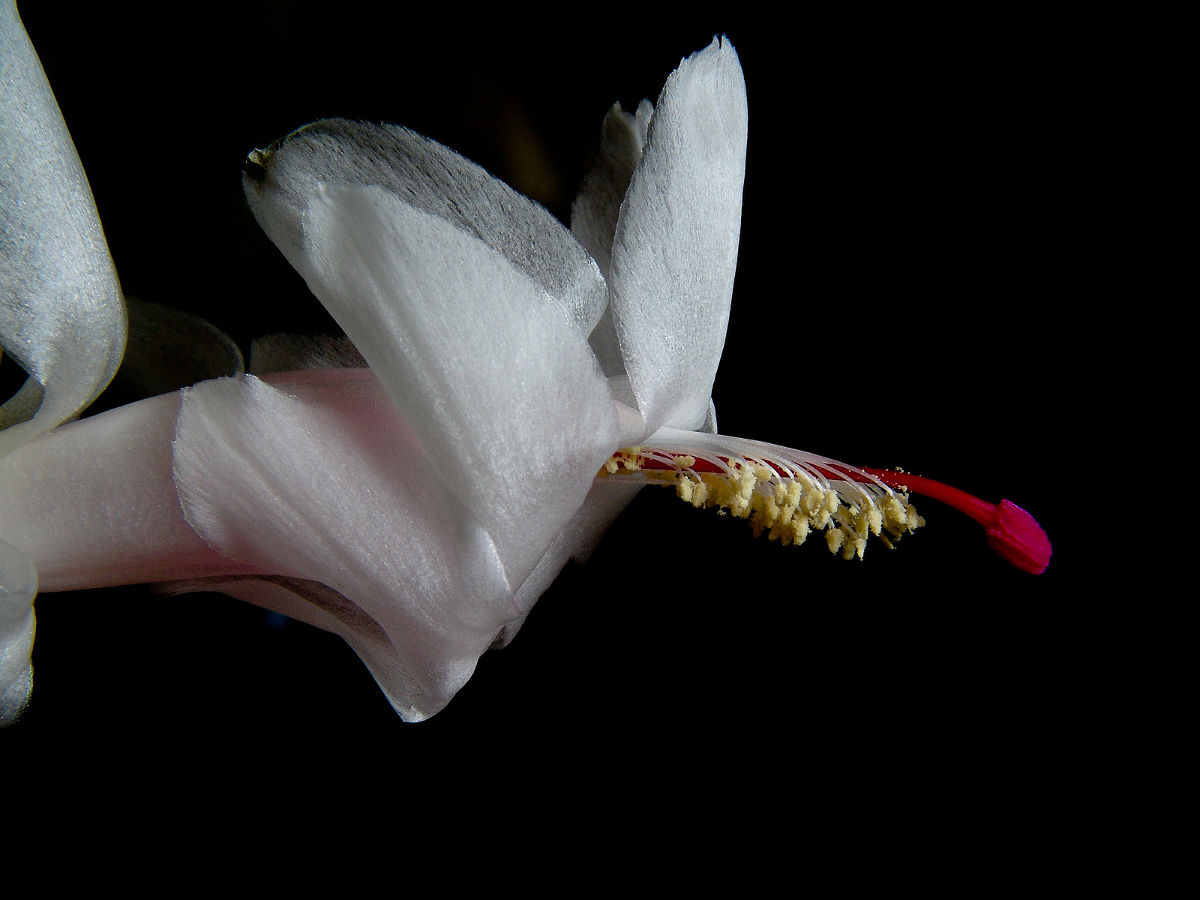
a rare ALCS blue jay spotted late Monday night (20 October 2025) …

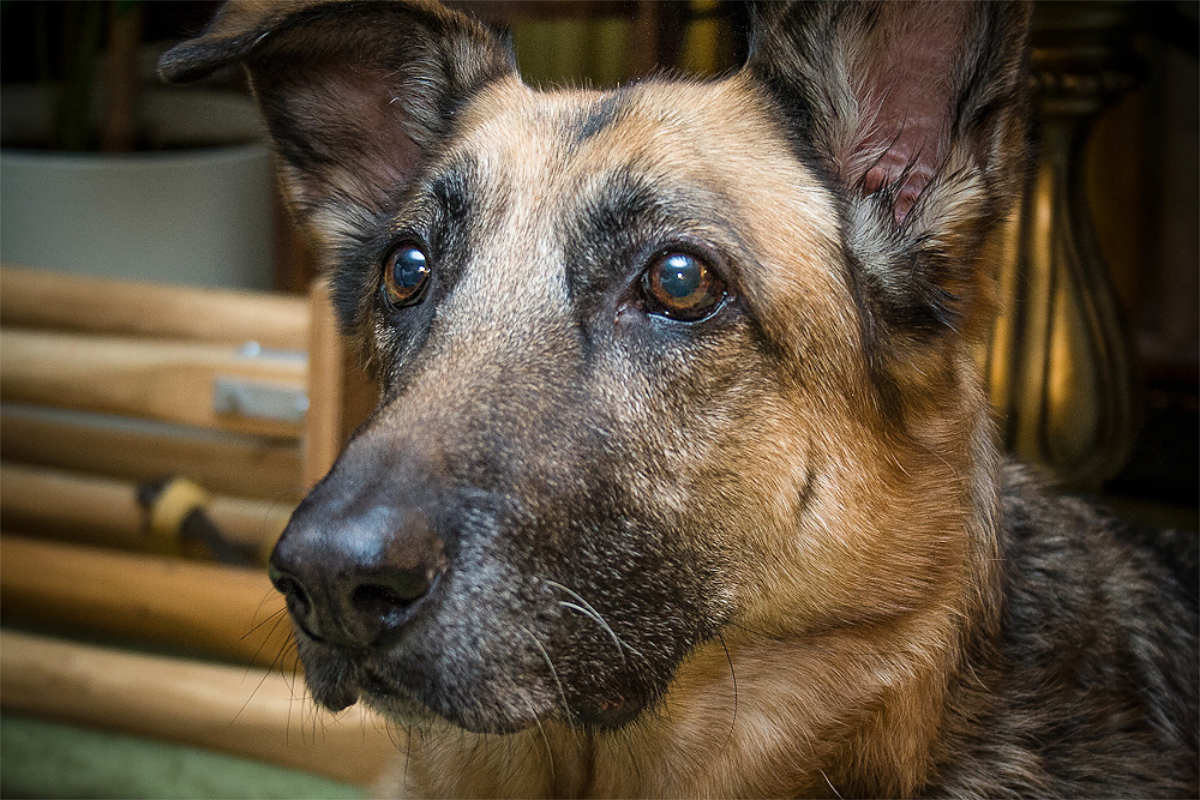
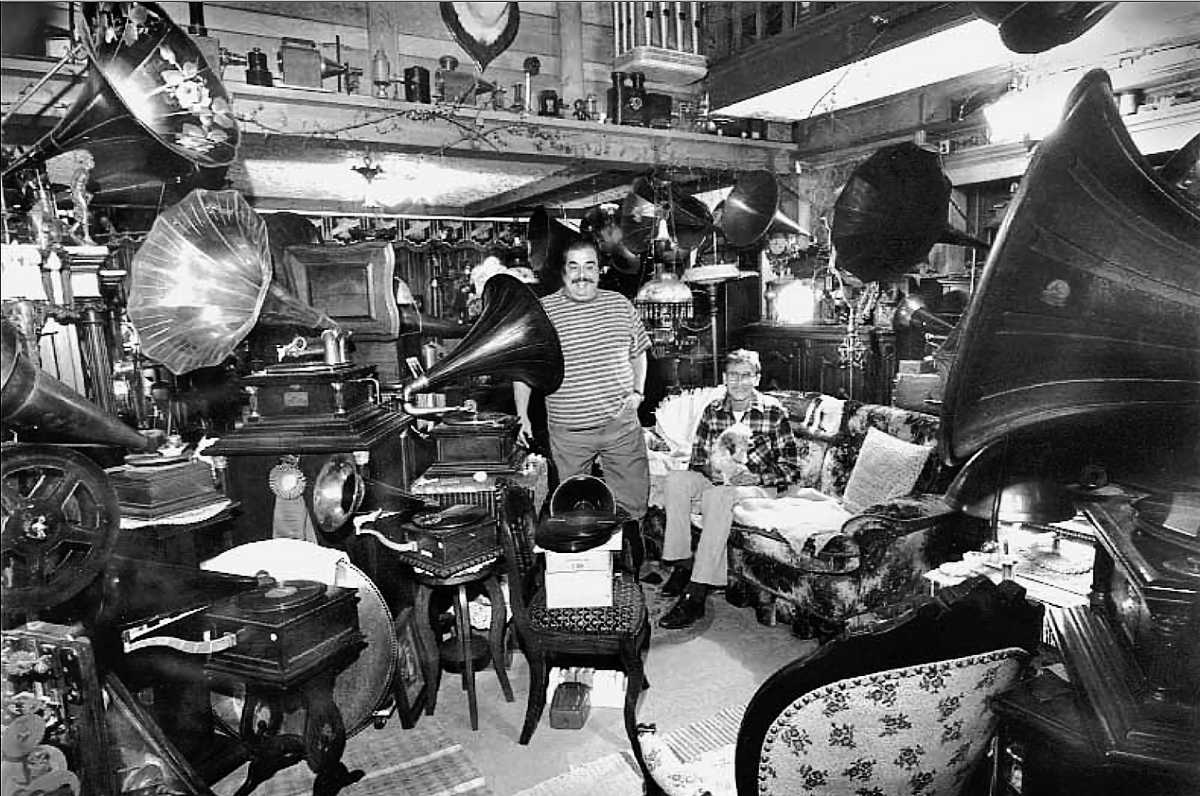
Toronto. While the image at left is far too new to be collectible today, many other bird, animal, fish, landscape, etc. photos from a century or more ago are collectible images.

Collectors haunt our shows to discover old photos that fit into their collection adding both interest and a bit of history.

While like baseball, our 2025 events are coming to a close, next up is our fall auction on November 9th. You can see the poster here and photos of most lots will get posted as soon as received.  The auction features cameras, lenses, and other photographic articles from the Sherman Hines Museum down east as well as some estate items. Come out and join the fun!

Posted in auction | Tagged , , , , | Comments Off on old nature photos

the right POV

an Argus ‘spy camera’ c1924 disguised as telescope

Toronto. Dry plate technology introduced ‘detective’ cameras – hand held cameras disguised as satchels, purses, boxes, etc. usable without the give-away of a tripod. Once potential subjects recognized this new variation of camera, another means of  secrecy had to be created.

One logical means was a device to let the photographer seem to look in one direction, while actually photographing in another. Various cameras emerged with the viewfinder and taking lens at right angles to the stance of the photographer. Leitz even had an accessory viewer for the Leica in 1929 called a WINKO. Tiny prisms allowed the viewfinder and rangefinder to function with the camera held at a 90 degree angle.

Bill Belier’s column, “A Treasure From My Collection …” in issue 25-3, shows a camera from the late Ron Anger’s collection in the article titled, “THE 1924 ARGUS MONOCULAR CAMERA FROM CONTESSA–NETTEL”.

“Bill begins the article. ‘My name is Anger… Ron Anger’. And so it was that we met in September 1977 when he responded to a classified ad that I had placed in a Toronto newspaper seeking to buy old cameras. He identified himself as a fellow collector and invited me to a meeting with other old-camera enthusiasts to be held the following Wednesday. I was unaware that a collector’s group had been formed in 1974, until my new friend introduced me to the P.H.S.C. that evening.

“How appropriate that Ron’s membership number is 007. This month’s featured ‘treasure’ is just the type of camera that would have been designed for James Bond, had Ian Fleming’s British secret agent been around in 1924, the year that Contessa-Nettel introduced the Argus.

“Described as a monocular spy camera, the Argus resembles a miniature leather covered telescope. The format is 4.5×6 cm for cut film and the lens is a CZJ [Carl Zeiss, Jena] Tessar 5.5 cm,  f:4.5 with shutter speeds of T, B, and 1/25 to 1/100. Both viewfinder and taking lenses are positioned at 90º, which of course, is the main feature of the camera.

“When Contessa-Nettel became part of the Zeiss Ikon group of companies in 1926, the Argus underwent a name change and became the Ergo. Essentially the cameras are identical with the exception of the “trap door” cover concealing the lens. The original Argus (as illustrated) has a rectangular cover, the Ergo has a circular cover.

“During the transitionary period there probably was a parts exchange, as some later Argus models appear with the circular cover while some early Ergo models have the rectangular cover. And why a name change? Perhaps some knowledgeable Zeiss historian could enlighten us.” …

Members can read all this illustrated article in the issue 25-3 pdf file on the free members-only DVD/thumb drive. Joining is easy, just follow the instructions for cheque (MEMBERSHIP above) or credit card etc. (Membership right). Send any membership questions you have to Lilianne at member@phsc.ca.

Posted in history | Tagged , , , , | Comments Off on the right POV

Film Formats 1930-60

Ensign Silver Midget (Model S/55) 1935; Kodak 828 or 35mm roll film – courtesy of Bob Bolton

Toronto. Those of us who know only digital photography, likely never used film. For our 25th Anniversary, editor Lansdale prodded exchange member editors to offer one article each for our anniversary edition of Photographic Canadiana.

The boys from ‘Down Under’ came up with this reprint from their Newsletter. It is titled “FILM FORMATS  – a retrospective (1930 – 1960)” authored by Bob Guiffre with photos by Bob Bolton. The 828 film noted at left was 35mm film without the sprocket holes and protected by a paper roll.

Mr Guiffre begins his article, “The Leica was the first camera made to accept 35mm film in the format originally decided by Oskar Barnack in 1913, the double ‘Academy’ cine frame of 24x36mm.

“There had been cameras like the Tourist Multiple of 1912 –an expensive camera taking up to 500 frames of the 18x24mm format. Three versions of the Barnack camera, the original now known as the “UR Leica”, were made; this first one is preserved at the Leitz Museum and is possibly the most valuable camera in existence.

“After World War I (1914-18) Ernst Leitz senior, the chief of Ernst Leitz Wetzlar which up until that time had made microscopes [and a few other optical devices], decided in the early twenties that “Barnack’s camera will be made”.

“It was probably the most significant decision in photography’s history, and in 1923 a pilot series of cameras were made to test the market – numbers 100 to 130, the ‘Null’ or ‘0’ series. A number of these thirty-one cameras are still in existance.

“This facet of photography’s history is already well documented but it is a milestone and the key to the most important format in modern photography and should be reiterated.

“In 1925 at the Leipzig Fair, Leitz introduced the Leica camera – the Leica I with 50mm f:3.5 anastigmat lens.

“The rest is history…” …

Members can read the rest of Mr Guiffre’s article and see  the photos in the issue 25-3 pdf on the free members-only DVD/Memory Stick. See MEMBERSHIP above or Membership at right to join. If you have any member related questions, drop Lilianne a note at member@phsc.ca.

Some camera collectors also collect various films and film containers. While both 2025 and our 2025 Events are nearly over, next month’s Estate Auction may have films and containers offered along with various cameras, lenses, books, etc.

Closer to the Auction date (November 9), we will pin a poster on this site and show photos of the various lots as we have done in the past.

Posted in history | Tagged , , , | Comments Off on Film Formats 1930-60

our fall auction – Nov 9, 2025

Toronto. Our 2025 events wrap up with our November 9, 2025 Museum Auction featuring lots from the Sherman Hines Museum plus some estate items. Sorry, no consignment lots. Questions? Drop auctioneer Clint a note at auction@phsc.ca.

our November 9, 2025 Auction

Posted in auction | Tagged , | Comments Off on our fall auction – Nov 9, 2025

we all have regrets …

Mike Toddington of the WCPHA c1999

Toronto. For our 25th Anniversary, editor Bob Lansdale worked his network of exchange journal editors to pony up an article for this volume of our journal – Photographic Canadiana.

The WCPHA (Western Canada Photographic Historical Association) had a friendly debate running with us when Ev Roseborough was editor. Their newsletter editor at the time, Mike Toddington, contributed this thoughtful piece on both camera use and camera collecting called “Hindsight … is 20/20”.

Mike begins, “Have you often thought of the time you have missed that perfect, once in a lifetime camera buy? It is one thing to ponder the pros and cons of an investment and then decide against a purchase but its quite another to miss the boat completely.

“Regrettably, I fall into the last category and mine is a sad and woeful tale. In 1956 I was a draftee into the UK Airforce. I worked in telecommunications and despite my numerous efforts to transfer to the photo section, the requests were always declined on the grounds that my psychological tests showed conclusively that I had ‘no aptitude for photography’.

“In spite of this ghastly revelation concerning my fanatical pastime, I continued to take pictures on the base (which required a special security permit). My ‘Voigtländer Vito I’ served me well.

“I processed my pictures at home, taking the finished prints back to the base and selling them to various individuals at a small profit. Much to the chagrin of the Base Photo Section, I was being asked by senior officers to take official photos.

“Questions were being asked as to why I was not working in the photographic section. When the reasons became known, the matter was never raised again. After all, who would want to be locked in a darkroom with a “wannabe photo psycho”?

“Determined to produce better pictures this ‘psycho’ decided to upgrade the Vito and changed to a Leica as used by the ‘pros’ in the base photo section.”

To learn the reason for his regret, members can read all of Mike’s sad tale in the pdf file for issue 25-3 on the free members only DVD/memory stick. See above or at right under MEMBERSHIP/Membership to join. Send any questions on membership to Lilianne at member@phsc.ca.

NB. As members we all regret the decision to not buy that camera/lens far more than we regret anything we bought! I can certainly relate to Mike’s sad tale … And by the way, today is FAIR DAY!!

Posted in history | Tagged , , , | Comments Off on we all have regrets …

what the heck are pannotypes?

Portrait on leather from c1862 courtesy of the Victoria and Albert Museum

Toronto. In the late 1800s, prints were made in a variety of ways on many different materials. Pannotypes used a process to convert Ambrotype photos from glass to patent leather. The above link offers some details.

The article was published in April, 2018 and credited Tania Passafiume with assistance from Shannon Perry. Shannon has spoken at the PHSC a few times including the November 2011 Toronto meeting.

In our journal issue 25-3, David Mattison’s copyright 1999 article discusses the leather portraits discovered by the Victoria and Albert Museum in London. The article, “G. R. Fardon’s Portraits on Patent Leather at the London International Exhibition, 1862” records this discovery and shows many of the photos.

David begins, “To say that my heart skipped a beat would not be exaggerating the effect that this e-mail [from the V and M] had on me. I responded the next day expressing a gut feeling that “I’m fairly certain these are the ‘Portraits & Views on patent leather’ taken by George Robinson Fardon late of San Francisco and, at the time of their international exhibition, one of the first commercial photographers in Victoria, British Columbia.”

“Even though he had not seen the original display board “for several years”, Mark had convinced himself that the wording of the display said the photographs were from Prince Edward Island. Having been invited to contribute an article to Photographic Canadiana on the find, Mark asked that I pinch hit for him.

“The Victoria and Albert Museum discovery also neatly coincides with the publication by the Fraenkel Gallery (San Francisco) and Hans P. Kraus, Jr., Inc. (New York) of San Francisco Album: Photographs of the Most Beautiful Views and Public Buildings.

“Well-known California photo historian Peter E. Palmquist and National Archives of Canada archivist/photo historian Dr. Joan M. Schwartz provide detailed accounts of Fardon’s career in San Francisco and Victoria. Their work and that of the other two essayists, Rodger C. Birt and Marvin R. Nathan, correct the impression left 22 years ago by Robert A. Sobieszek’s introduction to the Dover reprint of the San Francisco Album that nothing was known of Fardon.

“Dr. Schwartz’s scathing review of the Dover reprint in Afterimage (December 1978) set the record straight regarding Fardon’s origins and fate. The Fraenkel and Kraus book is an elegant, fitting tribute to Fardon’s work as a landscape and portrait photographer.”

Members read all of David’s article in the pdf for issue 25-3 on the free members only DVD/thumb drive. To join, see MEMBERSHIP above or Membership at right. Email any membership questions to Lilianne at member@sympatico.ca.

Join us at the Fall Fair this Sunday. You may not find a pannotype,  but you will find lots of interesting items to add to your collection! Se the poster pinned above or read our PHSC News newsletter 25-9 for details.

Posted in history | Tagged , , , , | Comments Off on what the heck are pannotypes?

last run …

A last run for a CNR engineer in the spring of 1960

Toronto. Old image collectors sometimes have photos that are railway related. Perhaps they are kept in a separate group, or just lumped into a transportation category.

The photo at left is just slightly out of focus (perhaps due to the film speed, or the camera setting, or the photographer just may have moved slightly).In any case, the photo shows an engineer pulling into a station on his last run before retiring some 65 years ago.

The PHSC 2025 Events offer many opportunities to discover even older train photos and other photographic nostalgia. Our event this month is Sunday’s Fall Fair (October 19th). Details are pinned to this website and are in the PHSC News newsletter for September (issue 25-9). While we can’t say you are sure to find a railway photo Sunday, we can say you will have a great time at the fair!

Come out and join the fun – good friends, good food, free parking, and inexpensive admission! No need to take a train …

Posted in fair | Tagged , , , , , , , , | Comments Off on last run …

postcards from home

Royal Victoria Hospital Barrie c1909

Toronto. Old Photo Collectors often are postcard collectors too. Many postcards use photography as a tool to capture events, people, buildings, etc. in colour or in monotone to be hand coloured.

At left is the RVH on Ross Street in Barrie built in 1903 and decades later  closed and moved further north in the city to new facilities in 1997.

Some of our members also joined postcard clubs such as  the Toronto Postcard Club where we occasionally took a table to promote the PHSC and photo collecting.

While we may not offer postcards, our 2025 events do offer lots of nifty items to complement any photography collection. This month we will host the famous Fall Fair on the 19th of October. Details have been pinned to this site and are also in the PHSC News newsletter for September (issue 25-9).

Posted in fair | Tagged , , , , , , , | Comments Off on postcards from home

merry bag-o-wheels

A 1910s auto sporting a 1917 licence plate. Beside the car is its owner, a nurse, and her satchel of medical records, etc.

Toronto. The automobile has been with us for over a century and a quarter now, replacing the bicycle on the road over 100 years ago. Collectors find old auto photos of particular interest and often add a category of “automobile” to their collection. .

The photo at left shows a nurse with her car (displaying an auto licence of 1917). Written on the back in pencil is a notation “Ottawa, Illinois“.  Unlike our federal capital city of the same name, the Illinois ‘city’ only has a population of around 19,000 souls in recent times (it is also a county seat).

While you may or may not find old auto photos at our 2025 events such as the Fall Fair on the 19th of this month, you will find lots of goodies to add to your collection! Details are pinned to this web site and in our PHSC News for this September (issue 25-9).

NB. The title of this post is a riff on the 1905 song, “In My Merry Oldsmobile“. The inventor, Ransome E Olds, ultimately sold his vehicle factory. The Oldsmobile name ended up with General Motors (GM) and prospered for decades until the auto industry phased out the number of automobile models and names. The Oldsmobile line ended in 2004.

Posted in fair | Tagged , , , , , , | Comments Off on merry bag-o-wheels

come fly with me

summer of 1962, Dorval Airport Montreal in a Vanguard aircraft ready to go

Toronto. Functional “Heavier than Air” machines have been around for about a century and a quarter now making the machines a logical sub category of old photos for collectors.

The pivotal flight was by the Wright brothers at Kitty Hawk in 1903. In Canada, our first powered flight was the Silver Dart in 1909 flown by Doug McCurdy in Nova Scotia on Baddeck Bay.

Collectors can attend our 2025 events to add to their collection. Next is our Fall Fair on Sunday, October 16th. While there may or may not be old photos of aircraft available, there will be lots of interesting items to complement any collection. Details of the fair are pinned to the top of this site until later on the 16th. Collectors can also find details (and other interesting articles) in the September PHSC News (issue 25-9).

NB. This post was inspired by the c1958 Italian song, “Volare” sung here in Italian and English by Dean Martin. The actual post title is the same as that of a 2010 British TV series (to my surprise).

Posted in fair | Tagged , , , , , | Comments Off on come fly with me